

11 Old-School Cookies Your Grandma Grew Up Eating
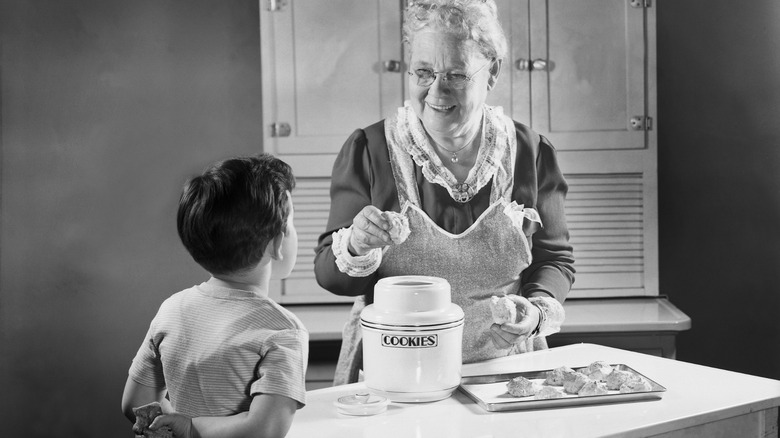
What's your go-to cookie recipe? Before recipes shone from glowing screens and social media montages, they were scrawled on paper, furled at the edges, and folded neatly into flour-dusted aprons. Most were created not by listing measuring cups, tablespoons, or exact times, but by watching, tasting, and feeling. A pinch of this. A sprinkle of that. Add more if you sense something is missing. Stop when you reckon it's right. These missives were murmured over mixing bowls and wooden spoons, whispered in younger ears eager to learn Gramma's tricks of the trade.
Come to think of it, a right number of these recipes actually resided only in memory, rarely written down. And the very best? Those were guarded fiercely, family secrets passed from Nana to mother, then mother to daughter (at the kitchen counter or the knee); on and on the cherished ritual went.
These were the cookies of another time, born of thrift and baked in kitchens that smelled of butter, spice, and strong coffee just poured from the kettle. Some recipes reveal necessity, others nod to tradition, but all carry stories. We've heard the folklore of these scratch-made sweets, once wrapped in wax paper for school lunch pails, tucked in coat pockets on Sundays for snacks after church, or served proudly on chipped china (or whatever came closest) when company came calling. Today, we're leaning into that nostalgia by presenting you with these 11 old-school classics your grandma grew up eating.
Cherry Winks
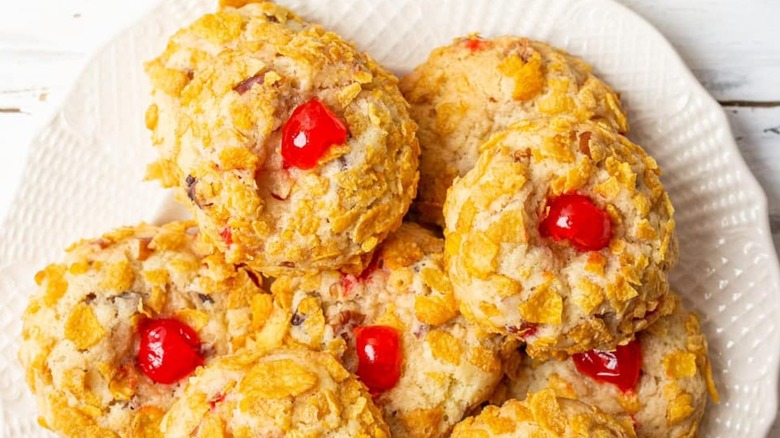
First making waves in 1950 when it was crowned a big winner at a Pillsbury bake-off, this cherry-topped cookie was the brainchild of Ruth Derousseau. Derousseau's prizewinning recipe quickly found its way into cookbooks and family files, logged into memories and passed from hand to hand until what was a newfangled, buzzy novelty became a familiar favorite filling kitchen hampers from here to there, and everywhere.
Those wanting to whip up cherry winks must first begin by making a sugar cookie dough. Chopped pecans and dates are then folded in gently (recipes vary, and you can pick your preferred dried fruits and nuts if you please). These ingredients lend a slight denseness and gentle chew to the recipe, one that hints at fruitcake just a smidge, without ever crossing the line into that dud of a dessert category.
Each portion of this newly made dough is then sent for a tumble in a mountain of crushed cornflakes (a very midcentury flourish that adds crunch and gives the cookies a golden, crispy crust). But we mustn't forget to share the best part! Before baking, a maraschino cherry is placed on top, quartered just so and giving these mouthwatering mounds their moniker (the little red morsels are made to resemble a playful wink peeking out from the cornflake coating). Eye candy in every sense of the word, these cookies definitely "look sharp" and are the cherry on top of any dessert tray, even today.
Rock Cookies (Vintage Rocks)
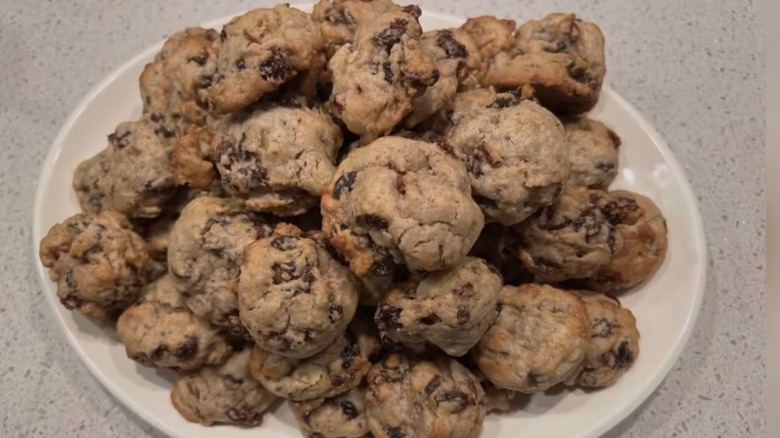
Rock cookies look pretty humble (even a little unruly, if we're being completely honest), but their unrefined appearance unveils a great revelation about old-fashioned baking. Back in the 1930s, these mini-heaps of sugary goodness were a big hit. The lumpy drop cookies earned their name from their rough, rock-like appearance, each one slightly different from the next and formed by dumping spoonfuls onto a tray. In a time when ingredients were simple and nothing was wasted, rock cookies were a culinary triumph of practicality.
The dough relied on simple basics that almost every kitchen could spare. Butter, brown sugar, eggs, flour, and warm spices like cinnamon and nutmeg created a comforting foundation for these messy mouthfuls. Raisins were a common addition, while dates also appeared often, and walnuts were tossed in for good measure (and texture). Recipes varied widely from household to household, with some families swearing by adding raisins alone, while others chipped dates into the dough. Spices shifted depending on taste or availability, and the cookies themselves were even victims of a culinary identity crisis (known by many names, from Michigan rocks to German rocks to rock cakes and more).
Mixed in one bowl with a spoon (no special tools required), these cookies were created because ease mattered, and frugality and simplicity reigned supreme — as did these sugar-clumps, which really did rock.
Potato Chip Cookies
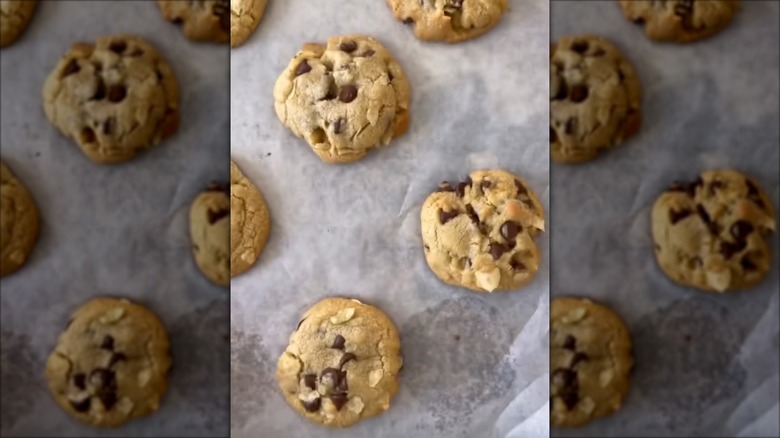
Cheekily prancing on the scene with their salty little selves, potato chip cookies first made ripples in American kitchens during the 1940s and 1950s. Featured among our best cookie recipes, these unique treats captured the playful side of midcentury baking, when home cooks weren't afraid to experiment, especially when it meant being able to find deliciously practical ways to use products that were already in the pantry. The idea of folding crushed potato chips into cookie dough may sound off-putting, but once tasted, it makes perfect sense. This is because sweet and salty have always belonged together.
While no single creator can claim these cookies (at least not one we're aware of), their origin story is still a worthy one, winding its way through church cookbooks and handed-down recollections (think a neighbor's recipe here, a grandma's tried-and-true, go-to there). What is certain is that once potato chips became a household staple, someone clever thought to add their salty crunch to a sweet, buttery dough, and what resulted was one cookie that killed it. With a shortbread-like quality and crisp edges, this treat was instantly embraced as a quirky, yummy novelty that felt slightly irreverent to old-school classics, but not one single person seemed put out about.
The potato chips not only bring salt to the equation, but they also add texture and a nice crunch that makes each bite quell multiple cravings at once. This masterful marriage explains why these cookies are so often remembered with affection.
Cathedral Cookies (Church Windows)
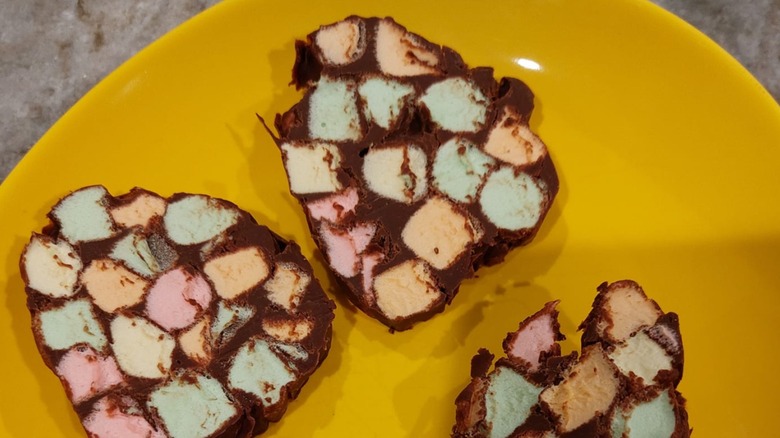
Known by many names, including church windows and stained glass cookies, cathedral cookies are no-bake, sliced cookies that have been showing up on holiday dessert plates for generations. Their name makes perfect sense once you get a gander at them; when sliced, the chilled chocolate dough reveals bright pockets of pretty pastel marshmallows suspended inside, glowing like tiny panes of stained glass you might just spot in an old cathedral or a turn-of-the-century sanctuary.
The process for preparing these beloved, marbled morsels is surprisingly easy. Simply melt chocolate and butter to form the base dough (which tastes decadently rich and is criminally smooth), then gently fold in colorful marshmallows and chopped nuts. And about that oven? No fussing over that, friends! Instead, you simply roll the mixture into logs, then tuck it into the refrigerator to set. After time and cool temperatures have worked their magic, slicing into your now-completed recipe will be so rewarding, as the result is a stunning patchwork of decadent slabs, each revealing a slightly different pattern of rainbow hues ... and tasting practically sublime.
These cookies have been favorites for families with children for generations, especially because everyone can help prepare them. Even the smallest hands can stir and shape, and there is something deeply satisfying about cutting into the finished roll and seeing the sweet, stained-glass-esque surprise inside.
Sour Milk (or Sour Cream) Cookies
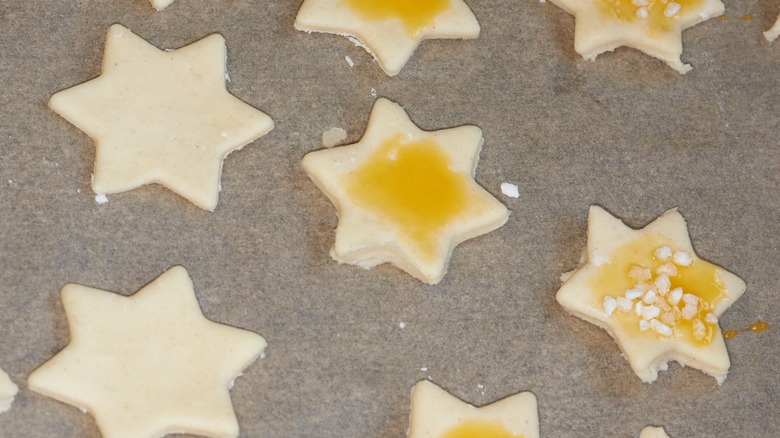
Sour cream (or sour milk) cookies remind us of a time when nothing in the kitchen was wasted, and resourcefulness shaped nearly every single recipe. Long before expiration dates were a hard and fast rule (frugality reigned, remember?), sour milk was simply another ingredient waiting to be whipped into something wonderful. Bakers of our grandmas' generation learned that milk that had turned could still lend brilliant flavor to baked goods, and these soft, cake-like cookies were a delicious direct result of that discovery. Recipes for sour milk or sour cream cookies appear repeatedly in well-worn cookbooks, starting to be seen more and more from the early 20th century.
Etched on cards worn by years of use and passed down through family trees from branch to branch, some of these sour cream cookie recipes date back more than a hundred years. Actual instructions on how to create these cookies were famously vague, even maddeningly so, often offering bakers nothing more than "bake until done," while expecting even kitchen ingenues to know when the moment was right.
Sour cream cookies rely on familiar pantry staples (think sugar, butter, eggs, flour, and baking soda, with the sour cream or sour milk tossed in to bind it altogether and supply a welcome tang). Nutmeg often makes an appearance, sometimes lemon as well, before the dough is then dropped onto a baking sheet or rolled and cut, making the recipe flexible enough to suit any baker's mood.
Forgotten Cookies
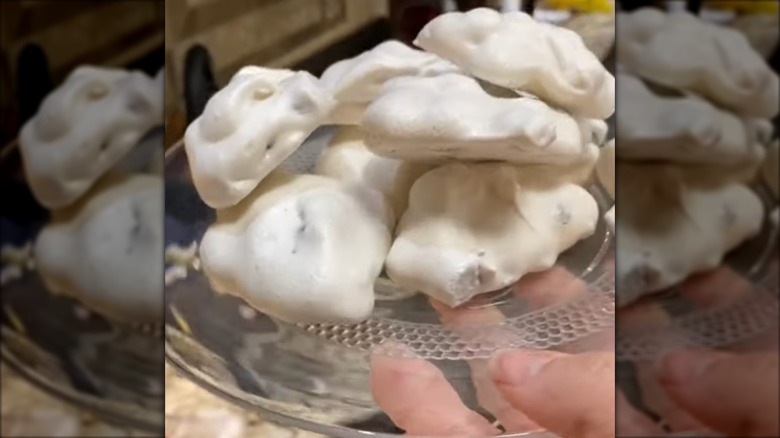
Forgotten cookies are charming in both name and nature, built around a bit of baking magic that feels almost too easy to be true. These airy little meringues earned their moniker because of how they are made. Specifically, once these mini meringue mounds are placed in a warm oven, the heat is turned off and they are quite literally forgotten overnight. No peeking at the progress is required; just sleep soundly and dream of delicious cookies greeting you at sunrise. And by morning? You will wake to discover that your mini culinary masterpieces have transformed into crisp, light cookies that practically melt in your mouth when you bite into them.
These sweets were especially popular from the 1960s through the 1980s, when community cookbooks were filled with clever ways to stretch ingredients and use leftovers (again with that frugality energy). Speaking of, forgotten cookies were likely created out of necessity — what wise and resourceful housewife wouldn't want to use up extra egg whites left behind after holiday baking? Sugar is then whipped in, giving glossy peaks, followed by the gentle folding in of chocolate chips or nuts (optional to use both) throughout the meringue mix.
Once piped or spooned onto a baking sheet, the cookies are placed in a preheated oven, which is promptly turned off. The residual warmth slowly dries them out overnight, and voila!
Ginger Cream Cookies
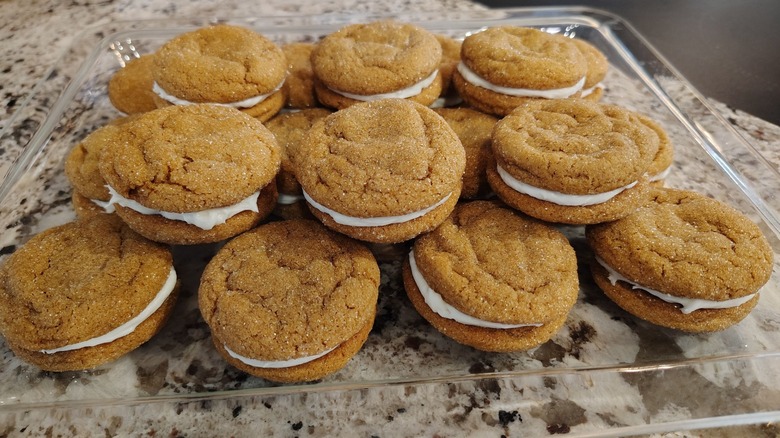
Dating back to the early 20th century, ginger cream cookies are known for leaning all the way in to the warm spice category (think molasses, ginger, and more). But before you go comparing these marvels to the ginger snaps (gingerbread may be the top holiday cookie in the U.S., but really, don't you dare), let it be known that there is a clear and specific distinction between the two. To be sure, while ginger is the mainstay spice of both sweet treats, that is where the resemblance wanes.
Ginger cream cookies are much softer than their crispy ginger snap cousins, providing swooning samplers with a more tender bite. The smooth, creamy icing that is spread gently across their top only adds to their appeal. But not to be upstaged by ginger, molasses also plays a central role in these cream treats. It was an ingredient leaned heavily upon during a time when refined sugar was not always easy to come by.
The recipe itself? Ground ginger, nutmeg, cinnamon, and cloves work together to create a balanced spice profile that feels familiar and comforting rather than sharp. The cookies themselves are not particularly sugary, which makes the creamy frosting a key player. In all honesty, it's that specific added layer of sweetness that truly transforms these ginger discs from simple spice cookies into something decidedly divine.
Pinwheel Cookies
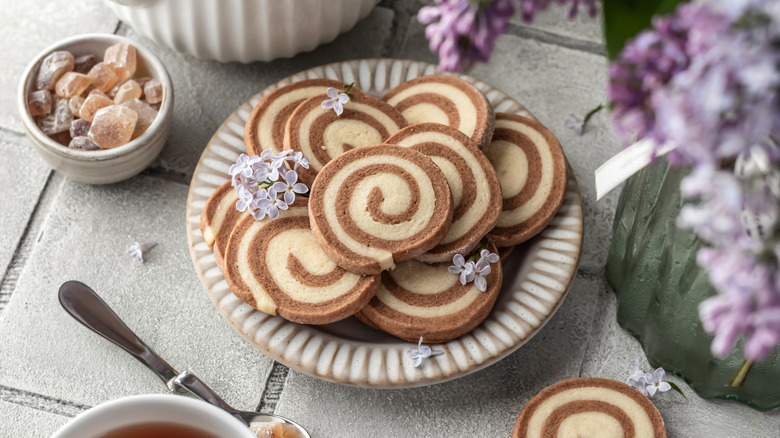
Pinwheel cookies are the kind of treat that could make even novice bakers feel a little fancy, without requiring much culinary know-how ... or extreme efforts. Popular all the way up through the 1950s, these pretty cookies relied on their visual charm, created by rolling together layers of vanilla and chocolate dough, then slicing it into neat spiralled mini-slabs. Once baked, each cookie revealed its signature swirl, instantly recognizable (and an absolute win) on any dessert platter.
The fact that pinwheel cookies are a family member of the refrigerator cookie clan made them especially practical during their heyday. Bakers appreciated how the dough could be prepared ahead of time, wrapped, chilled, and then sliced as needed. This meant fresh cookies for company could be whipped up last minute, without one whiff of undue fanfare or fuss.
Some variations of pinwheel cookie recipes included dates folded into the dough, a thoughtful and flavorful addition that served to add both a smidgen of sweetness and a tiny twinge of welcome texture. Regardless of the mix-ins, the defining feature of these sweet morsels always remained the pretty-as-a-picture spiral. After some time, bakers realized the dough could be shaped into other patterns as well (think stripes, checkerboards, and more). This flung wide the door to culinary creativity, with bakers soon whipping up pinwheel variations that wowed, while tapping into their inner pastry-chef wannabe Picasso.
Bourbon Balls
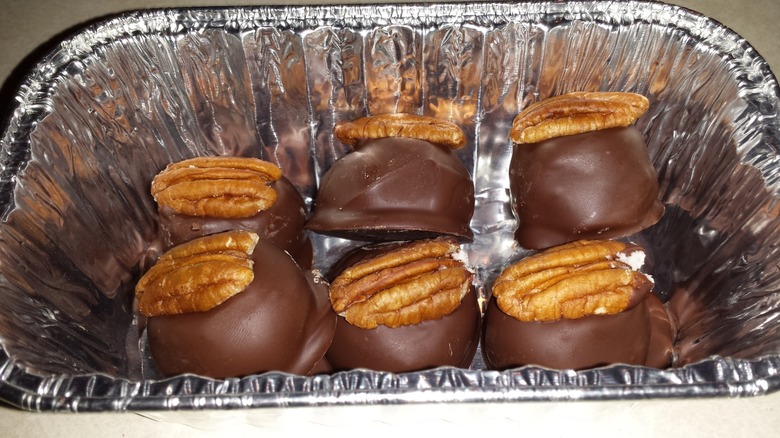
Bourbon balls are a rich, bawdy dessert candy-cookie hybrid; they're divinely decadent, and deeply tied to place. In fact, bourbon balls are the most iconic snack food in the Bluegrass State, specifically. First originating in Kentucky in the 1930s, these bite-sized confections reflect a region that is clearly proud of its signature spirit. Add to that spirited bourbon base the classic combination of pecans and chocolate, and you have a near culinary crime on your hands, fam. This time-honored and cherished Southern recipe creates a treat that truly tastes utterly indulgent.
So, where did all this heavenly bonbon hedonism fueled by bourbon begin? The origin story hails from Frankfort, Kentucky, where bourbon was eventually added to an existing chocolate candy recipe, transforming it into something entirely its own. Once bourbon joined the filling, the candies quickly gained popularity. Even through challenges like Prohibition's aftermath and wartime rationing, these treats miraculously endured — and huzzah for that.
Traditionally, bourbon balls are soft and creamy inside, coated in dark chocolate, and topped with a pecan half. While families across Kentucky and beyond have developed their own variations over the years, the heart of the candy has remained unchanged. These bonnie, boozy bonbons are also pretty simple to prepare (an unfancy filling is mixed, chilled, then rolled into small balls before being dipped in melted chocolate).
Hermit Cookies
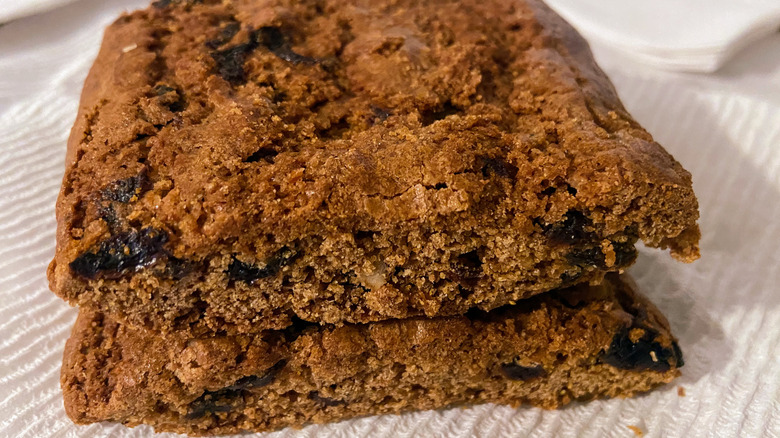
With New England roots dating back to the late 1800s, hermit cookies are spiced, fruit-filled confections that were built to last. Like proverbial, tasty yet trusty dessert tanks, these cookies are dense yet tender, cakey but chewy, and offer a pleasing aroma filled with warm spices. Molasses specifically gives the dessert its darker color and earthy richness, while dried fruit (most often raisins) adds a touch of sweetness and more sturdy substance to the dough. Speaking of sturdiness and our aforementioned tank reference, these cookies were trusted enough to be packed into tins and sent out to sea with sailors on clipper ships (a testament to how well they kept and traveled).
They were hearty, indeed. In fact, part of their legend of lore is that they actually improve with age, said to grow softer and more flavorful as the days tick by. It's actually this long shelf life that may even explain their name, with one writer once remarking that hermits would keep for months if left alone (practical and strangely poetic, kind of like these cookies?).
Hermit cookies are normally shaped into logs before being baked. As they bake, these logs flatten into long ovals, which are then sliced into bars. This method of preparation is what makes them so sturdy (and stackable).
Sand Tarts
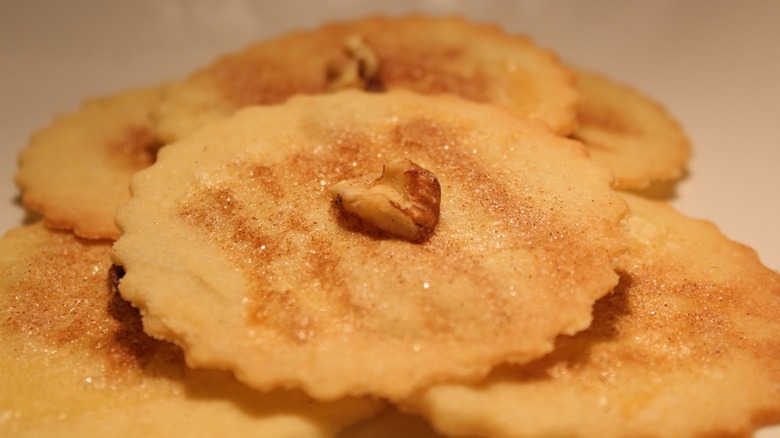
A Pennsylvania Dutch classic with roots reaching back centuries, sand tarts are cookies that are rolled paper-thin, baked until crisp, and finished with the lightest adornment (more on this later). The dough is buttery and delicate, landing somewhere between a sugar cookie and shortbread in taste and consistency. Once they are rolled thin, these cookies are brushed with egg white, giving them a nice sheen and helping the topping to stay securely in place on the disc.
A sprinkling of cinnamon sugar follows, and then a single nut (there's that light and lovely adornment we teased!) is placed on top. This nutty crown jewel of the cookie is traditionally an almond or pecan half, which is placed at the very center. This single nut is not for decoration alone. Instead, it absolutely completes the cookie, both aesthetically and as far as the flavor profile goes (some bakers will die on this hill).
As for the name? The sand tart moniker refers to the texture. These cookies crumble gently, breaking into buttery bits that melt away as you eat them (think sand at the beach giving way beneath your feet). Although they are often associated with holidays, like Christmas and Easter, sand tarts can be enjoyed any time of year.