

Tortillas Sold In California Are About To Require An Extra Ingredient — Here's Why
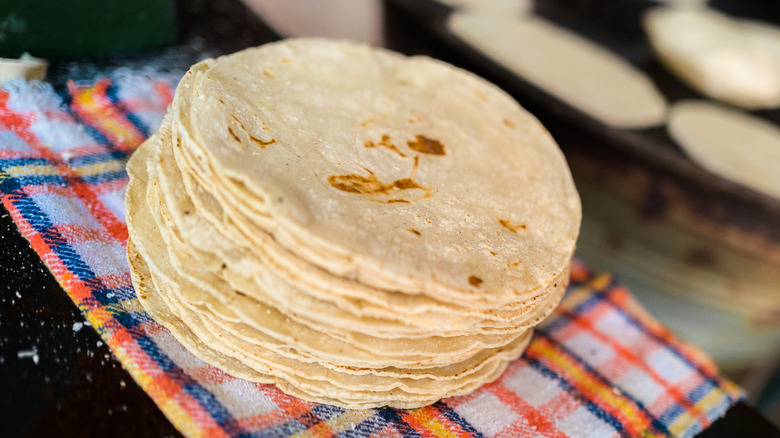
Starting January 1, 2026, California will require manufacturers to add folic acid to tortillas and other foods made with corn masa flour. The change, brought by California Assembly Bill 1830, is meant to address high rates of certain birth defects in Latino communities. Folic acid is essentially a B vitamin. The nutrient helps your body make cells, and it's particularly important for fetal development. According to the Centers for Disease Control and Prevention (CDC), "all women capable of becoming pregnant should get 400 mcg of folic acid every day." However, the California Department of Public Health reported that Latinas tend to get less of the nutrient than other demographics.
Food fortified with folic acid isn't a new thing. In 1998, the U.S. began requiring manufacturers to add folic acid to some grain-based foods. Adding the nutrient to products like bread, pasta, rice, or breakfast cereal helps prevent 1,300 birth defects per year, the CDC estimates. These foods have the "enriched" label on them.
While the U.S. doesn't require folic acid in corn masa flour, commonly used to make homemade tortillas, Mexico has required manufacturers to fortify masa with folic acid since 2008. In 2016, the Food and Drug Administration introduced changes that allowed masa manufacturers to add folic acid to their products, but only voluntarily. California is known for its strict food regulations, like lead warnings on candies, and the new law could set a nationwide precedent. Alabama passed a similar bill after California, and it's set to go into effect in June 2026.
How does folic acid help — and is it safe?
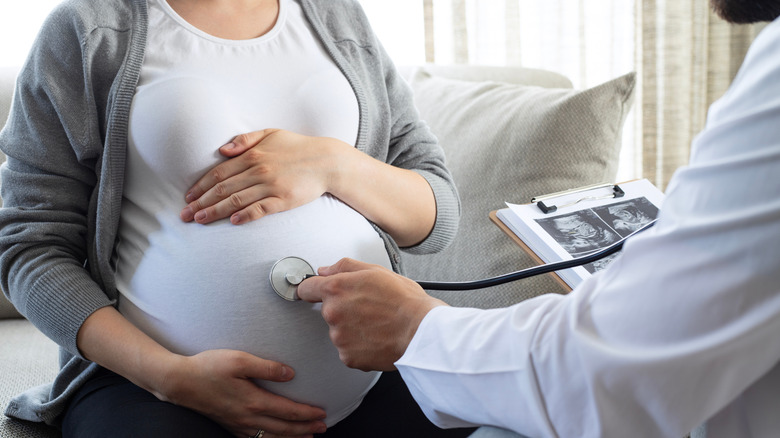
Why not encourage pregnant Latinas to take prenatal vitamins instead of hiding folic acid in food? It might be too late by then — folic acid helps prevent neural tube defects, which impact the spine and brain, and form early in pregnancy. It could be early enough that many people don't know they're pregnant, so consuming food with folic acid can help those facing unplanned pregnancies.
But is folic acid safe for everyone? While a few studies have suggested that folic acid can increase cancer risk, small amounts are safe. "Large population studies from countries that have had mandatory fortification for decades ... have not shown an increase in cancer rates attributable to folic acid," dietitian Ro Huntriss told Women's Health.
California limits the amount of folic acid in corn masa flour, with it not exceeding 0.7 milligrams of folic acid for every pound of the flour. The bill requires companies to list folic acid on the nutrition label, so you may see an additional ingredient when shopping for corn tortillas. While some tortilla aficionados claimed they could taste the difference, it seems a small price to pay for a change that could dramatically improve the well-being of babies in Latino communities.