

No Onions, No Garlic, No Problem: This Ancient Spice Provides A Punch Of Allium Flavor

Oh, woe! The minestrone soup or meatloaf recipe you're about to use calls for onions or garlic, and you don't have any in your produce drawer. And when you go to your spice rack to pull out their respective powders as a substitute, you find that you're fresh out of those, too. What are you to do? Check your cabinets to see if you have asafoetida, a pungent spice beloved in Indian cuisine. If you don't, it can be a great spice to keep on hand in case you run out of onions and garlic in the future, since so many recipes use these two ingredients.
What's asafoetida? It's a gum resin derived from a type of plantclosely associated with the carrot and fennel species, and in its raw form, smells pretty unpleasant – one of its nicknames is "devil's dung," if that gives you an idea. But once you apply some heat, it gets wonderfully toasty and fragrant, and a small pinch is all that's needed to bring a rich, funky allium flavor to your dish.
It's especially popular in Indian cuisine, where it's been in use since at least the 12th century. It's said that the spice has been around since the days of ancient Rome, and the army of Alexander the Great introduced it to India. Hence, these five-minute weeknight Indian meals would welcome a pinch of asafoetida.
How to use asafoetida
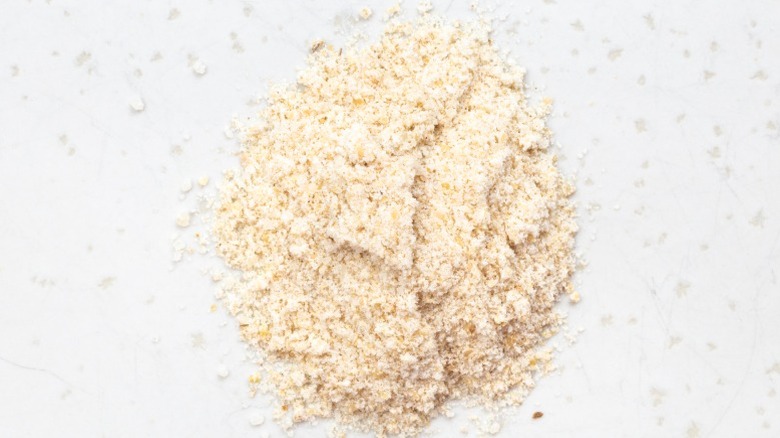
Your journey to obtain asafoetida is probably more straightforward than Alexander the Great's, given his army found it in the mountains, and you can probably buy some online or at a local Indian grocery. Though success is unlikely, you can try searching for it at your local Wegman's.
So once you get your hands on some asafoetida, how do you use it properly? After all, this isn't something you can just sprinkle on your scrambled eggs, as it'll make them taste like they've just been pulled out of a bog. In this way, it's like MSG, which was once treated as the bad guy, but still isn't something that tastes good just sprinkled on your dishes willy-nilly.
Instead, you should cook it in fat — perhaps ghee, the clarified butter that's a staple of Indian cuisine, or just regular old butter. Then, you can throw in whatever other spices you might want to use for your dish, such as cardamom, chicken noodle soup-enhancing turmeric, or fennel seeds, and enjoy the fruits of your labor. It goes great with soups and stews, and as a seasoning for potatoes and veggies. Just be sure to crack open your window when you're cooking with it.