

Why You Should Think Twice Before Eating Raw Green Beans
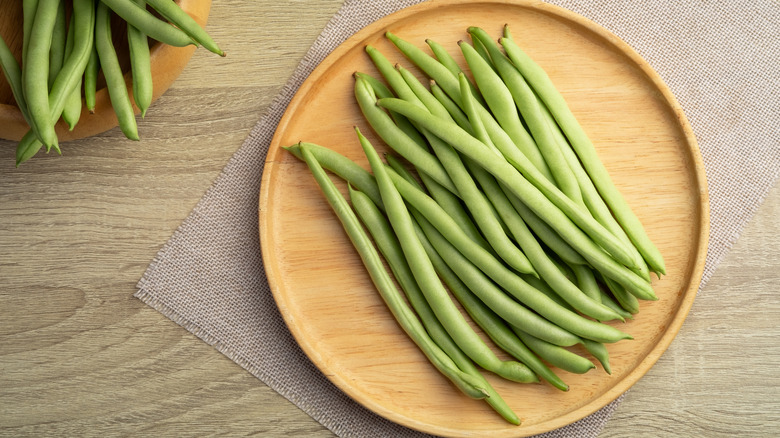
Taste-testing a raw green bean or two won't hurt you, but eating a whole bag — or even a full cup — might make you start to feel not-so-great. Green beans (also referred to as string beans, French beans, or haricot verts, which is French for green beans) are a type of beans, as the name implies. Like other legumes, green beans contain naturally occurring proteins called lectins and phasins, also known as "anti-nutrients" (they aren't as nefarious as they sound), which are largely deactivated by heat. However, when green beans are consumed raw, the lectins can irritate the digestive system because they resist the enzymes our bodies use to break down food. When lectins pass through the gut undigested, they can cause symptoms that mimic mild food poisoning.
Some nutrition philosophies promote eating vegetables in their most "natural" form, arguing that consuming raw produce in particular is the best way to preserve heat-sensitive vitamins and other nutrients. While this is true in a general sense, green beans are an important exception. The scientifically proven downsides of eating green beans raw outweigh the only upside — namely, vitamin retention. When green beans are even lightly cooked, the lectins break down, allowing normal digestion to occur and thereby making key nutrients more bioavailable as well as increasing their disease-protecting antioxidants.
In other words, cooking green beans doesn't destroy their value, it enhances it, both nutritionally and when it comes to taste. The obvious culinary truth is that a quick blanch or sauté can go a long way, transforming both the flavor and texture of green beans.
The best cooking methods for safe, flavorful, and nutritious green beans
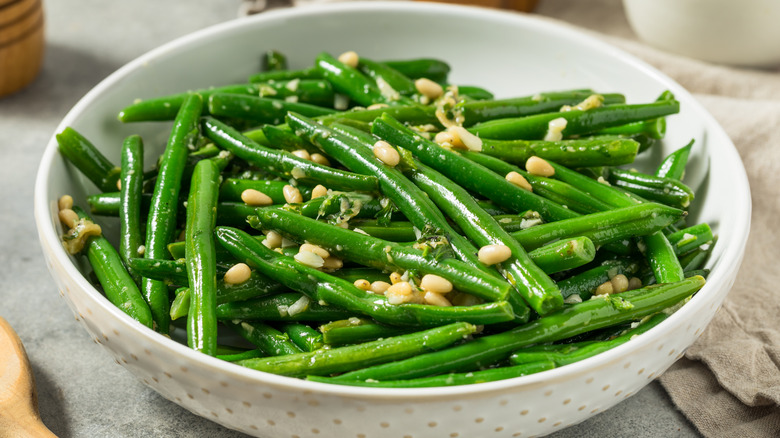
When it comes to cooking green beans, both anti-nutrients become inactivated once they reach 212 degrees Fahrenheit. If you're in a pinch, you don't need anything fancy — a simple nuke in the microwave for a few minutes get's the job done and can even retain more heat-sensitive vitamins compared to other cooking methods. Place the green beans in a covered microwave-safe bowl with a few tablespoons of water added to create steam and keep the green beans moist. Microwaving for about 3 minutes is generally enough time to neutralize their anti-nutrients while still maintaining their tender-crisp texture. From there, all you need is a little sprinkle of salt and pepper and perhaps a drizzle of olive oil or some butter and viola: a perfectly cooked side dish in minutes, without the digestive-upset.
If you're not pressed for time, other cooking methods can elevate green beans even further. Blanch the green beans and then follow up with this crucial step to help preserve their bright color and snap. Roasting brings out a deep, nutty flavor thanks to caramelization, while folding them into a classic green bean casserole (especially with this flavorful ingredient added) can create a comforting side dish or entree. No matter the method, a little heat saves you from not only potential digestive distress but also provides you with more nutrients than if they're kept raw.