

14 Invasive Species Americans Should Be Eating
Invasive species, both plants and animals, regularly cause irreparable harm to native ecosystems across the United States by crowding out and preying on native species, damaging crops and infrastructure, and generally causing a nuisance. Billions of dollars go toward fighting these troublesome aliens each year, but their aggressive reproduction and resistance to traditional control methods make them almost impossible to completely eradicate. One perhaps unheralded way to fight these pesky intruders is to harvest and eat them. In fact, many are quite delicious, and hunting or harvesting them is a perfectly sustainable way to not only enjoy a tasty, adventurous meal, but also to help protect our natural environment.
When fishing, hunting, or foraging for any of the species mentioned in this article, please take care to be keenly aware of species identification, health of the animals or plants and their local ecosystems, and any other factors that can harm us humans, when attempting to collect and eat species that are less common to our regular diet. Otherwise, here's a list of some of the tastiest, most recipe-friendly invasive plants, fish, and land animals that our country has to offer.
1. American bullfrog
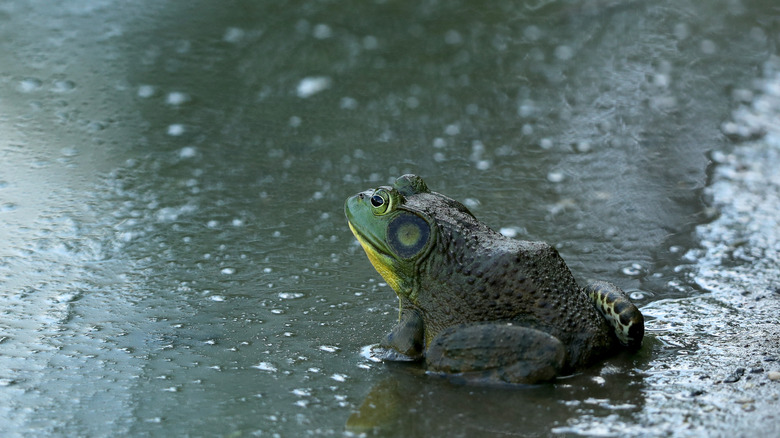
Native to the Eastern U.S., the American Bullfrog — so named because of its loud call — is native to every state east of the Mississippi. Further west, however, it is a more recent addition and considered invasive, mostly due to its lack of predatory discrimination. It'll eat anything, even mice, bats, and birds, as well as other native amphibians, the latter of which can profoundly affect the delicate balance of local ecosystems. It's also a carrier of the common amphibian disease Chytrid and reproduces aggressively.
All that said, bullfrogs are relatively easy to catch for hobbyist fishermen, and their large size — up to 1 ½ pounds — means they offer plenty of meat to enjoy. Commonly compared to chicken, or sometimes scaly fish, though perhaps a bit chewier, bullfrog is known for a mild, easygoing flavor. Probably the most common way to cook up these chubby legs is breaded and fried, though they can also be easily grilled or roasted.
2. Asian carp
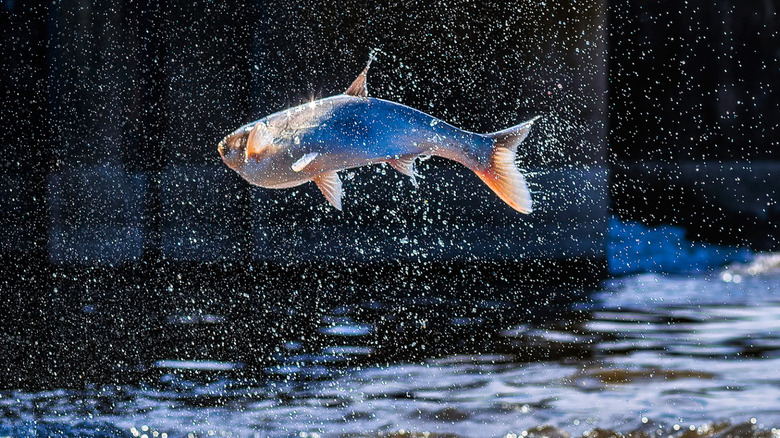
Known for their ability to jump several feet out of the water, these East Asian fish are sometimes reluctant YouTube stars, hilariously slapping unsuspecting fishermen upside the head. But they're also incredibly prodigious and can easily overwhelm American ecosystems. As an example, some estimates suggest they make up as much as 90% of the biomass in parts of the Ohio and Mississippi rivers!
Eaten for millennia in Asia — and still one of the most consumed freshwater fish in the world — silver carp were brought to the Mississippi River in the 1960s in an attempt to help clean algae from ponds without chemicals. Having not only stuck around but thrived here, today scientists worry they could eventually become a threat to the Great Lakes.
Carp are naturally high in omega-3 fatty acids, and their vegetarian diet leads to lower mercury levels than other popular scaly fish species. They do, unfortunately, feature a number of Y-shaped bones that can be a bit tricky to remove, but once that obstacle is overcome, the flaky, white flesh is incredibly easy to incorporate into a plethora of recipes, and its mild flavor takes well to all types of rubs, seasonings, and sauces.
3. Blue catfish

Though these bottom feeders are native to the Mississippi River basin, they were introduced into several Virginia rivers in the 1970s for sport fishing. They eventually spread to the Chesapeake Bay, where they threaten mollusks that help filter that body of water. One estimate suggests that more than 100,000 tons of catfish live in the bay alone, and another that they make up 65% of the bottom of the Potomac River.
Affected communities — such as St. Mary's, Maryland — regularly encourage preparing and eating this delicious fish, even promoting dinners and recipes to help increase consumption. Known for their flaky flesh and mild flavor, these abundant, large catfish — they can grow to more than 100 pounds each — are inexpensive and versatile. At the table, they're wonderful when served blackened, baked, grilled or fried. For an especially local treat that nods to the Chesapeake, add a few shakes of Old Bay before cooking.
4. Garlic mustard
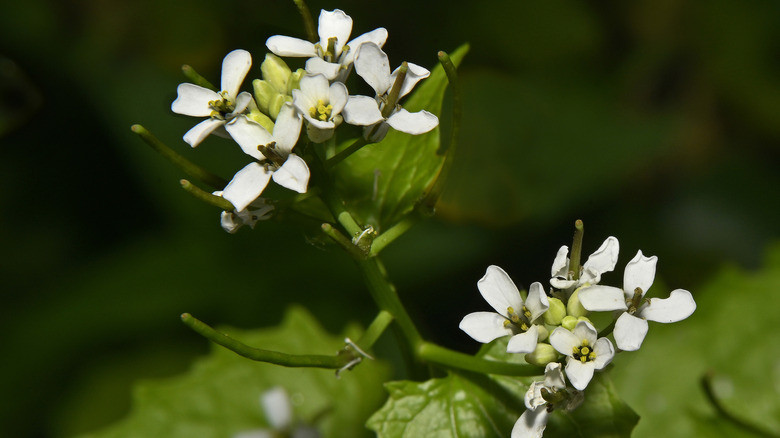
So-named because of its intense aroma when crushed, garlic mustard is incredibly aggressive, grows in dense packs, and can quickly dominate forest floors, edging out native species that are crucial to local microclimates. It also exhibits a chemical process called allelopathy, which makes the soil around it less fertile for other plants. Though difficult to eradicate through common weed-control measures, all parts of the plant are edible and high in vitamin C.
With a slight garlicky flavor and plenty of mustardy, peppery notes, garlic mustard is somewhat comparable to mustard greens, arugula, and watercress, making it a flexible green for a variety of preparations. Mixed into salads, omelets, and pestos, or stir-fried with garlic and extra virgin olive oil, garlic mustard can add a unique flavor to many common recipes. Best used when young, it can become quite bitter as it ages. (For those who crave those bitter notes, mature garlic mustard should always be cooked thoroughly because it can contain traces of cyanide when raw.)
5. Green iguana
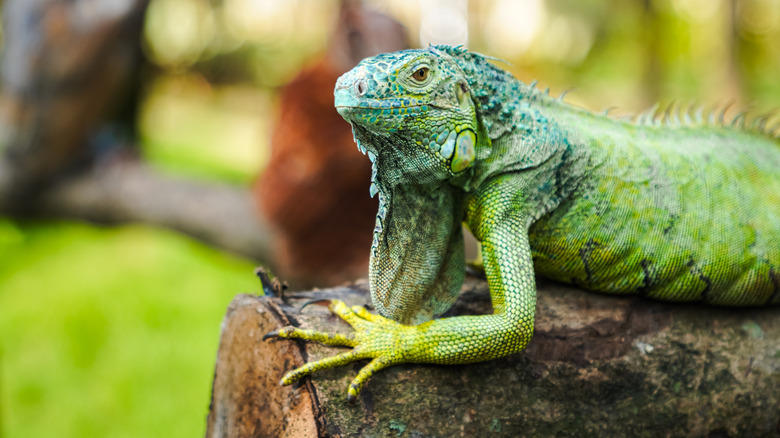
Amusingly nicknamed "chicken of the trees," in Florida these lizards regularly damage local vegetation, and their persistent numbers make their mere existence a nuisance. When temperatures drop, they're even prone to freezing and falling out of said trees, sometimes onto unsuspecting pedestrians and vehicles. This phenomenon, of course, has delighted social media users worldwide (and also makes them easy to catch during the winter).
Though green iguana is not exactly a common menu item in the U.S., it is more prevalent in Central and South America. "People have been eating iguanas since at least 10,000 years ago, when humans reached the New World tropics," said William Kern, a professor at the University of Florida, of the practice. "It was a readily available, not-too-dangerous food source. It's always been part of the diet." While there isn't a ton of meat on these bony creatures, the legs and tails can supply enough for nuggets, stews, and taco meat, and their eggs can be turned into a tasty, fluffy scramble.
6. Japanese knotweed
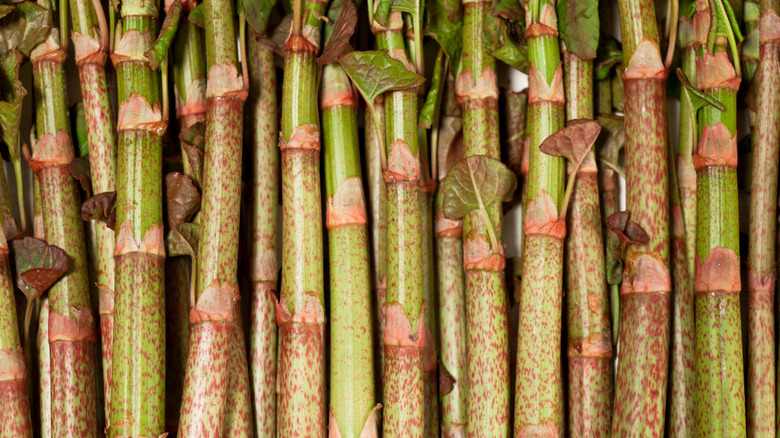
First brought to the U.S. as an ornamental plant, this aggressive perennial has become a regular inclusion on many lists of the world's worst invasive species. From the same family as bamboo, knotweed's segmented, hollow green stems resemble its more well-known cousin, but are also dotted with crimson. Because it spreads through its root system (as well as through seeds), eradicating it is virtually impossible, and its dense colonies force out any other local vegetation. As such, it's quickly developing a reputation as arguably the most problematic invasive plant in the U.S., but, thankfully, it can also be eaten.
From a flavor perspective, knotweed has similar tart and crunchy properties as rhubarb, though it may offer a more lemony aspect. "I fell in love with the taste," Ghaya Oliveira, the executive pastry chef at Daniel Boulud's two Michelin-starred restaurant, Daniel, told Bon Appétit. "It tastes like rain," and is a "gamey" version of rhubarb, she continued, noting her preference for combining the two in dishes like compotes, the jam filling in her rolled almond cake, or ice cream. It can also be used in a variety of savory preparations that — as with rhubarb — highlight its sourness, such as salads, stir-fries, and pickles.
7. Kudzu

An East Asian staple for centuries, the "vine that ate the south" is relatively new to American plates, but is useful in many ways; other than the seeds and seed pods, every part of the plant — including tips, blossoms, roots, and leaves — is edible. Though still known primarily as a climbing plant that crowds roadways and pushes out native plants from local ecosystems, chefs across the South are increasingly using kudzu in creative ways, making it one of the most culinary promising invasive species on this list.
Kudzu leaves, for example, can be used like spinach, featured in salads, stir-fries, and more, and the young shoots are akin to snow peas. The leaves and blossoms are also added to teas and other beverages, for example, local Georgia chef Mimi Maumus' popular kudzu lemonade. And the roots, which some compare to potatoes, have traditionally been ground for use in medicinal teas, but can also be roasted just like other root vegetables. There is, it seems, a kudzu dish for just about everyone.
8. Lionfish
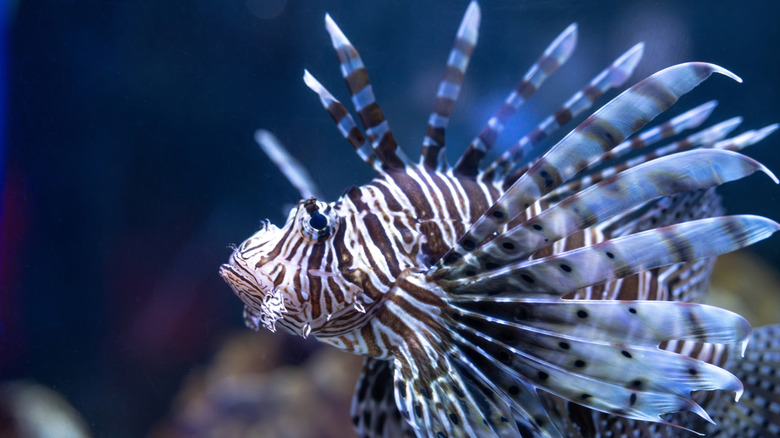
Though indigenous to the Indo-Pacific and Red Sea, in the U.S., the uniquely spiked and colorful lionfish have long been seen as beautiful saltwater fish tank centerpieces. In fact, one hypothesis posits that they were introduced into the Atlantic when a bored hobbyist dumped their tank in the ocean. Regardless of that tale's veracity, they were first observed on the Atlantic coast of Florida in the mid-1980s, and in more recent times have been recorded in the Gulf of Mexico (renamed the Gulf of America in 2025 by U.S. President Donald Trump), as well as off the coasts of Georgia and both Carolinas. Now a predatory reef fish, lionfish voraciously eat native species and reduce the overall health of reef habitats.
Although lionfish contain a toxic venom, once the spine is safely and properly removed, they are safe to eat. They are increasingly found at both restaurants and grocery stores (such as Whole Foods and Publix) across Florida. With a relatively mild flesh similar to snapper or grouper, lionfish is versatile in many preparations, from ceviche to fish fries to cooking the fish whole, and just about everything in between.
9. Mugwort
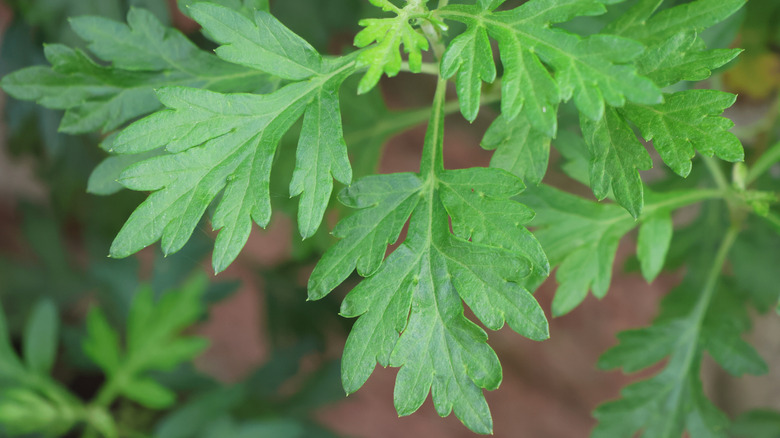
Known for its strong herbal smell, mugwort has a long history of medicinal use in Europe (including to flavor beer as an alternative to hops) and in Asia (to flavor tea). This easily propagating plant has become a problem in the modern U.S., spreading underground through rhizomes and developing in large stands. It's best to pick mugwort leaves while the plant is young, as once it has flowered or turned woody, it becomes too bitter for culinary use.
Mugwort's aroma can also be compared to chrysanthemums, with a sage-like flavor and a pleasant bitter-sweetness that makes it versatile at the table, and particularly useful as an ingredient in soups. Also known as Artemisia — the plant's genus, which is shared with tarragon, among others — mugwort can feature a mushroom-like savory note. In Japan, the local species of mugwort is used in sweet rice cakes and in tempura, and in Korea, it's also used in rice cakes, soups, and pancakes.
10. Northern snakehead
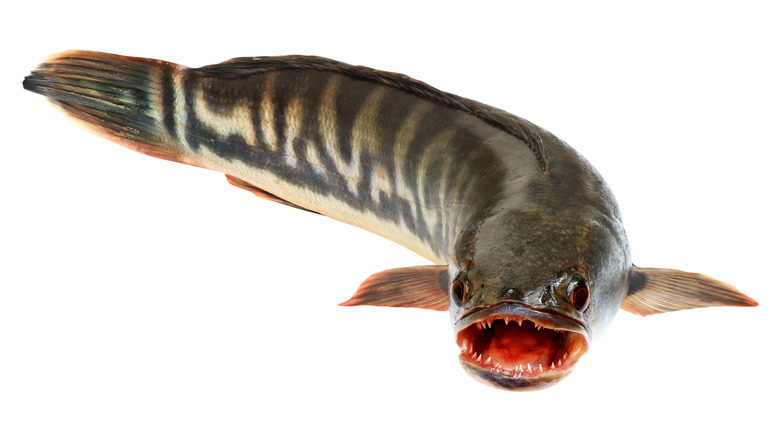
This East Asian fairytale monster (it's ugly, sharp-toothed, and can survive outside water for several days) can move on land, allowing it to invade new waterways ... and, probably, to bite unsuspecting bystanders' toes, given the chance. To combat its dodgy reputation, legislators in Maryland recently rebranded this overzealous fish "Chesapeake channa," in an attempt to get more people interested in eating it, and to eventually create a positive impact on population control.
Though humans have still been known to describe channa as ugly, gross, or vile to look at, once processed and cooked, the fish formerly known as snakehead is firm, mild, and suitable for many delicious preparations, taking especially well to heavy seasoning before grilling or roasting. It's also good dredged and fried, of course. And despite thriving in swampy, boggy areas, snakefish are not exclusively bottom feeders, so they don't taste of river mud and other unpleasant notes from the depths, as some freshwater fish can (such as catfish, a true bottom feeder).
11. Nutria
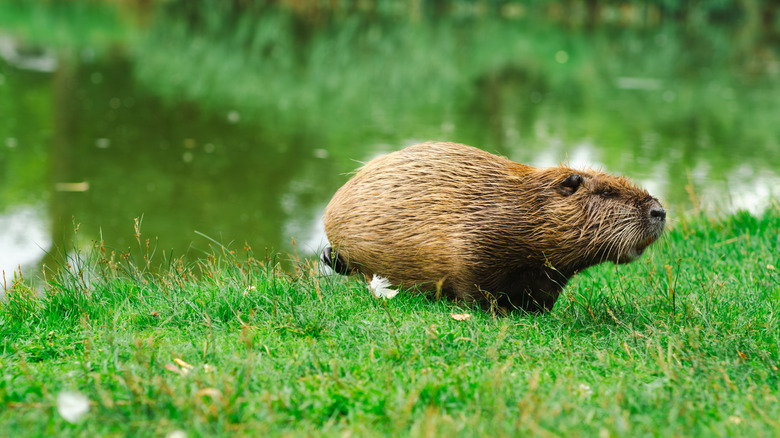
Introduced to the U.S. fur trade in the late 1800s as an alternative to mink, these South American R.O.U.S. have a high rate of reproduction and have become invasive in at least 20 states. In Louisiana, they've become such a threat to the survival of the native bald cypress tree that the Statewide Nutria Control Program pays $6 for each turned-in tail. In addition to destroying important crops, the semi-aquatic nutria's burrowing can damage the banks of irrigation ditches, lakes, and other bodies of water. Also, nutria can carry parasites that contaminate drinking water and public swimming areas.
While eating rodents is not exactly commonplace in the U.S., nutria meat is similar to rabbit and works well in stew and gumbo recipes. It is lean, high in protein, and nutritious. Because of the parasites and diseases the rodent may carry, it's important to use caution when considering nutria as a food source. The U.S. Fish and Wildlife Service, for one, does want more humans to consume the rodent. promoting the practice on social media and even suggesting the catchy slogan: "Save a Swamp, Sauté a Nutria."
12. Water hyacinth
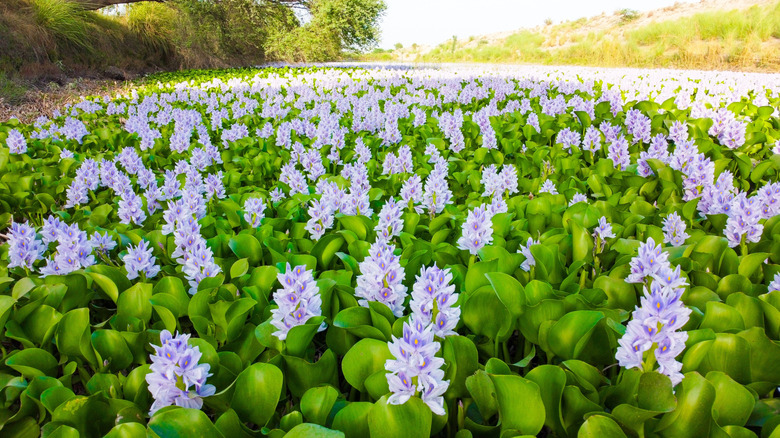
Though it produces beautiful flowers in various shades of purple, water hyacinth is widely considered to be one of the worst invasive aquatic weeds in the country, if not the world. An aggressive plant that produces a litany of environmental disasters, including blocking waterways, increasing mosquito populations, lowering dissolved oxygen concentrations, increasing river flooding, and decreasing biodiversity, water hyacinth is a major problem for U.S. ecosystems. In fact, its use is restricted — meaning it is illegal to either import, sell, purchase, or cultivate — not only in Florida, where it is most problematic, but also in 23 other states, including Alabama, Arizona, Arkansas, Minnesota, Mississippi, North Carolina, South Carolina, Texas, and Wisconsin.
One way to fight this plague, of course — if one can legally find some water hyacinth that needs to be disposed of — is to sauté, steam or fry it like mustard greens or kale, perhaps with some bacon or extra virgin olive oil. It's worth noting that water hyacinth can cause itchiness in some people, so those who've never eaten it should start with a small portion and be sure to cook it thoroughly. Also, be sure to harvest it from clean waterways to avoid contamination.
13. Wild boar (feral hogs)
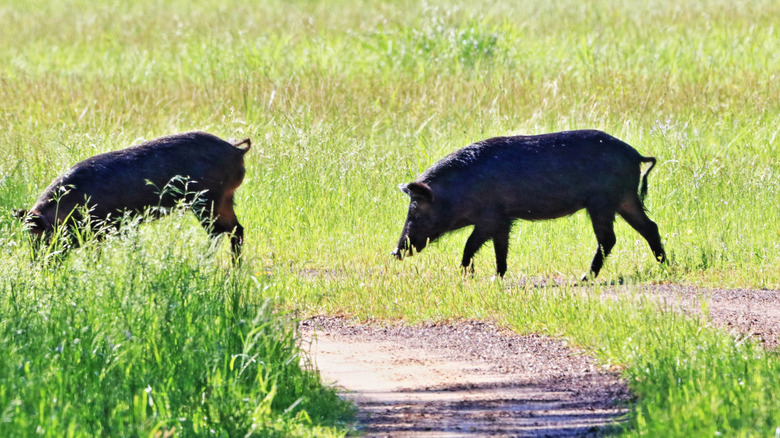
Dubbed "a full-blown ecological disaster" by the U.S. Fish and Wildlife Service due to the havoc they wreak on farmland, forest areas, and wetlands across the country, these tasty monsters might be the easiest sell of anything on our list, certainly if anyone's ever tasted a Tuscan wild boar ragù, for example. To wit, most U.S. wild boar is likely a cross between feral domesticated hogs (that escaped at some point along the chain) and Eurasian wild boar.
American wild boar can be cooked following your favorite pork recipes, though it tends to be leaner and thus should be treated accordingly. It'll never taste exactly like farmed pork, and can even vary within the wild boar population based on factors like diet, heritage, lifestyle, etc. But the meat does tend to be a bit sweeter (maple-like, even) and can offer notes that some might consider gamey. In addition to the aforementioned boar ragù — a tomato-based pasta sauce with ground or shredded boar — the meat is also great for chili, tacos, barbecue, and more.
14. Wineberry
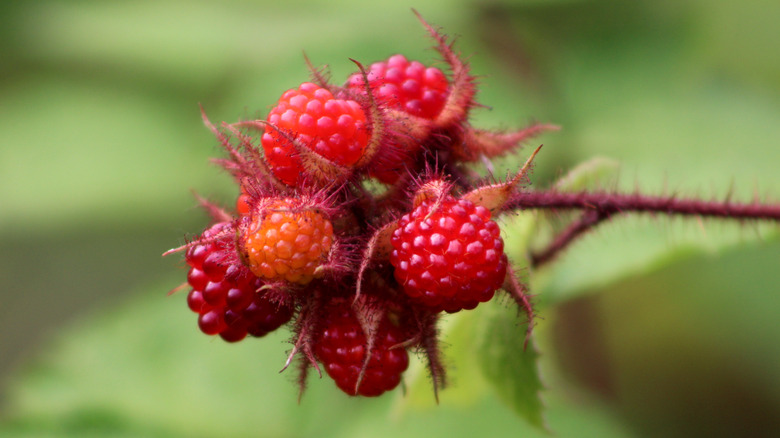
This relative of native raspberries and blackberries features a similar balance of sweet and tart flavors. It's an aggressive spreader with a dense thicket that can interfere with its local habitat, preventing the growth of other important plants such as tree saplings. It also prevents natural forest regeneration after big storms and other catastrophic events. Native to Asia, wineberries were introduced to North America both as an ornamental plant and as a potential breeding partner with other berries, and have since become widespread.
Wineberries are particularly prevalent in the mid-Atlantic U.S. and in and around the Appalachian Mountains, and are easily harvested, just like other similar berries. Telltale characteristics of the wineberry plant are thorny red stems that are also hairy, as well as red buds. (Though they have no poisonous look-a-likes, be safe by properly identifying any berry during harvesting and foraging.) Eat them fresh, use them in any recipe that calls for raspberries or blackberries, upgrade toast with wineberry butter, or try them in a unique pie, jam, or tart,