

The Incurable Condition Andrew Zimmern Contracted After Eating A Common Spice

Television host and culinary adventurer Andrew Zimmern has eaten everything from fermented shark in Iceland (which Anthony Bourdain refused to eat ever again) to still-beating snake hearts in Vietnam. But even with all of his experience, he was caught off guard by a painful, lingering condition he says he picked up while filming in northern Africa: burning mouth syndrome (BMS). Sometimes called glossodynia, BMS is characterized by a chronic, often unexplained burning or tingling sensation on the tongue, lips, or entire mouth. In an "Ask Me Anything" event on Reddit, Zimmern explained what happened: "In 2005, I contracted a virus from eating tainted cumin in Northern Africa. Occasionally once a year I have a flare-up of a rare disease called burning mouth syndrome. I pass it off as a simple casualty of war."
In an interview with ABC, he elaborated further: "I carry medication around with me in case it flares up. It's been about two years since a flare-up, it's viral ... there are only a handful of people in the world who have it." At first, Zimmern believed he'd simply overwhelmed his taste buds — obviously an occupational hazard for someone whose job was once to literally consume weird meats around the world (here are his best- and worst-tasting animals). But even after returning home, the burning did not subside. Doctors eventually diagnosed him with the neuropathic condition, and its exact causes remain mysterious. Though there's more than a "handful" of people who have it, global estimates suggest that about 1–3% of the world's population experiences the condition.
Tainted spices are a documented concern
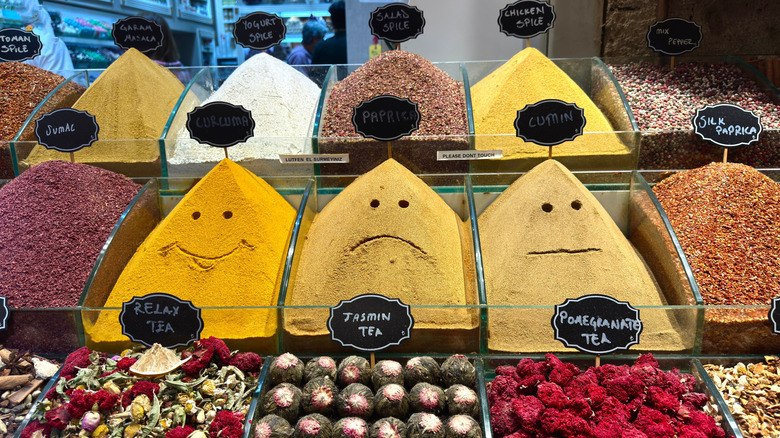
But is a tainted spice really to blame? To be sure, cumin is one of the most heavily traded spices in the world, and because it's often sold ground, it is indeed vulnerable to both intentional and unintentional adulteration. The bulk spice is used daily in cuisines across North Africa, the Middle East, South Asia, and Latin America. Often sold in open sacks or scooped loose in outdoor markets, it's certainly possible for it to be exposed to dust, bacteria, and other nasty bits floating through the air. In 2015, one of the largest spice recalls in the U.S. involved cumin contaminated with peanut protein. Perhaps unsurprisingly, undisclosed allergens are actually one of the most common reasons foods are recalled.
It doesn't seem that Zimmern has slowed down on his spicy foods or changed his adventurous behavior, other than carrying a steroidal rinse in case of flare-ups. He continues to travel and film internationally, but these days his focus is on his current show, "Wild Game Kitchen," where he cooks wild food over an open fire. His spicy experience is certainly a high-profile example of how even seasoned culinary professionals can develop chronic conditions from repeated sensory exposure. Today, North Africa remains one of Zimmern's favorite food regions, and he even still uses cumin in his recipes. But just in case we've scared you from ever using the earthy spice again, we've got four substitutes for cumin in recipes.