

11 Cuts Of Meat Your Soup Needs This Chilly Weather Season

When the temperature drops, thoughts often turn to curling up on the couch with a comforting bowl of hot soup. But what we reach for, more often than not, is the same soup recipe and the same shopping list to make it. Think carrots, onions, maybe celery if we are being experimental, and at best, a carton of ready-made stock. But with just a little effort on our part, we can leap over to the other side, where a soup is no longer a thin, forgettable bowl but instead one you always want seconds of. This difference in taste, texture, and flavor is usually down to the meat, and in particular, which cut you use for what type of soup.
Ahead are 11 cuts worth putting in the pot this season, from beef and chicken to turkey, pork, and lamb. Some are everyday regulars, while others are just built for a long, slow simmer and a rich broth, bringing plenty of personality to a bowl. Together, the contents of this list show how far a little patience and a healthy dose of curiosity can go to transform a humble cut into a soup you turn to again and again this winter.
Chuck roast
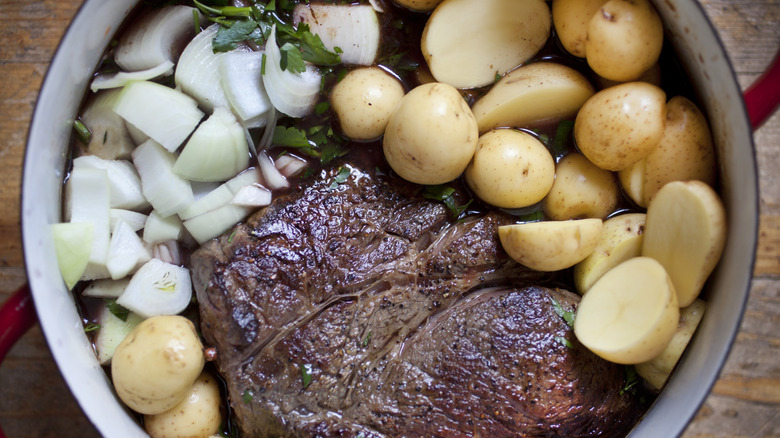
This soup season, if there's only one cut of meat you reach for, make it chuck. Let us explain. Chuck comes from the shoulder and is a hard-working, muscular cut. What this translates to with low-and-slow winter cooking is that as the connective tissue breaks down, it adds a silkiness to any soup or stew after hours of simmering. The fat and cartilage in the chuck make it a prized soup ingredient.
When choosing your chuck cut, it's best to be a little discerning. For a beefy, robust soup, you will do well with cuts such as chuck roast, chuck shoulder, chuck-eye roast, and top chuck. Beef and barley soup, for example, made with such cuts is ideal. Some recipes even call for boneless chuck roasts. However, we recommend opting for the whole roast and not a tray of stew meat, which isn't even necessarily the right choice for making a beef stew as it can be a variety of cuts.
Instead, trim the whole roast and cut it into cubes, making sure to keep the marbling intact for tender beef pieces and an unctuous soup. When building your soup from scratch, also make sure to brown the cubes before they go into the pot for a richer, more beefy flavor. Chuck soup keeps well, too, and tastes even better after a day in the fridge.
Beef shank
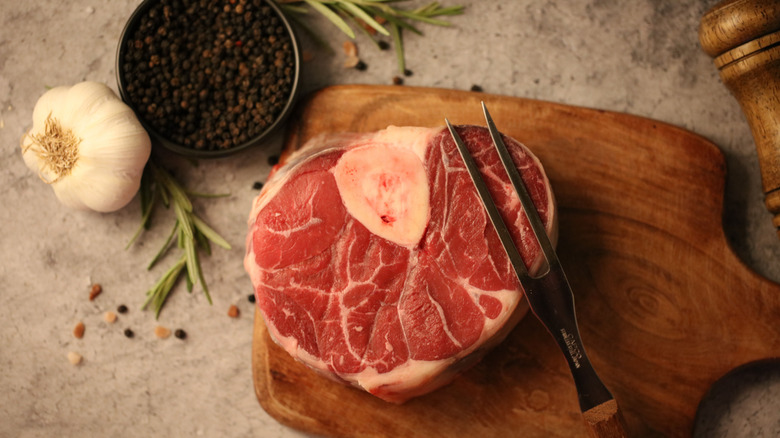
Beef shank comes from the leg and is a pretty lean cut, considering cattle spend their days on their feet. However, if handled properly and given enough time over the heat, the protein softens to result in a flavorful broth with fork-tender meat. Bone-in cuts like beef shank with its marrow and connective tissue lend a specific depth of flavor to any broth. The Mexican beef soup caldo de res depends on exactly this type of meat with the bone in for much of its flavor.
For a great winter soup recipe using beef shank, cut the meat into cubes and brown in batches so that the meat caramelizes evenly instead of simply being steamed. Add onions, celery, and carrots to the fat, cover with water, and cook for three hours. As the liquid cooks down, the flavor intensifies, and the meat simply slips off the bone. Remember to skim off the fat that rises to the top so that the broth stays clear. Such winter soups freeze amazingly well and are life-savers on days when you just don't have the time to be bothered with slow cooking and braising, but still want a comforting warm bowl in front of you.
Oxtail
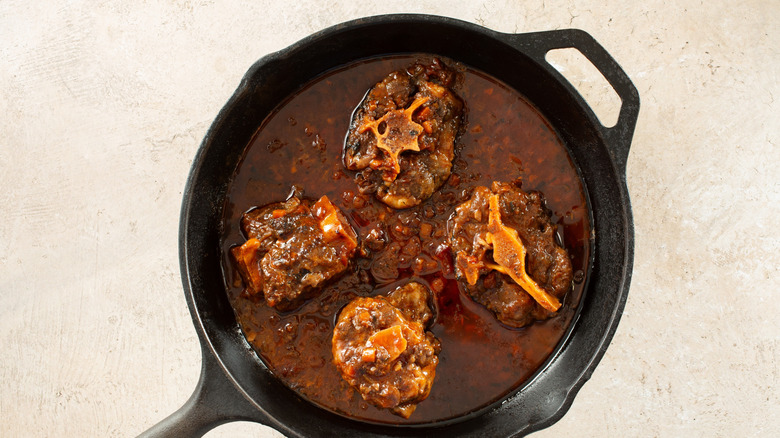
For a soup with body and a punchy taste, oxtail is the cut you need. While the name originally referred to the tail of an ox, these days it can come from any type of cattle. Oxtail is packed with collagen, and as you cook the meat over a long braise, this thickens the broth and makes it silky smooth (apart from the fact that it's great for your health as well). It's also worth pointing out that while oxtail is not as inexpensive as it used to be, it still often costs less than other premium cuts such as ribeye or tenderloin.
When it comes to soup recipes, you can veer toward traditional English style and make a thick, almost gravy-like soup that is rich with vegetables, beef stock, spices, and red wine. Served with crusty bread, it's a hearty meal in a bowl. On the flip side, oxtail is a great cut for a Korean favorite known as kkori gomtang. Here, the oxtail is soaked and boiled repeatedly until it is fork-tender. After careful blanching and rinsing of the cut, a clear, flavorful broth emerges. Two different approaches that result in two hearty variations. As always, such soups are even better after a day in the refrigerator, and the chilling also lets the fat set, so it's easy to scoop off.
Short ribs
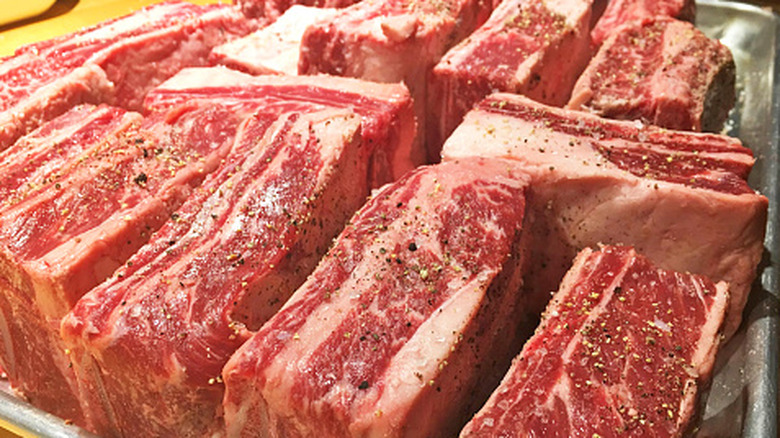
Not every cut of meat has to be economical and budget-friendly. Sometimes you just want to splurge. If that's the case, short ribs are the cut of choice. Short ribs may be more expensive than many other cuts, but when cut thick and cooked slowly, they transform into a stock that is sticky and gelatinous, with a deep beef flavor you just won't get from other cuts.
While short ribs can be used in a variety of dishes, such as delicious Sicilian beef, a standout is the classic Korean beef short ribs soup galbitang. It's perfect for days when you just need to restore energy levels. A traditional galbitang will use short ribs alongside radish, onions, garlic, and, of course, hot water. This is all slow-cooked over a low flame for hours until the meat falls off the bone, and the broth develops its rich flavor.
The addition of kimchi on the side helps cut through all this richness, and when served with plain white rice, it is the perfect meal for winter. For a more Western-style variation, use deboned short ribs as the base for a beef and barley soup. With both variations, remember to spoon the fat off the top. An easy way to do this is chilling the soup overnight, which lets the fat set into a layer that's simple to remove.
Chicken thighs
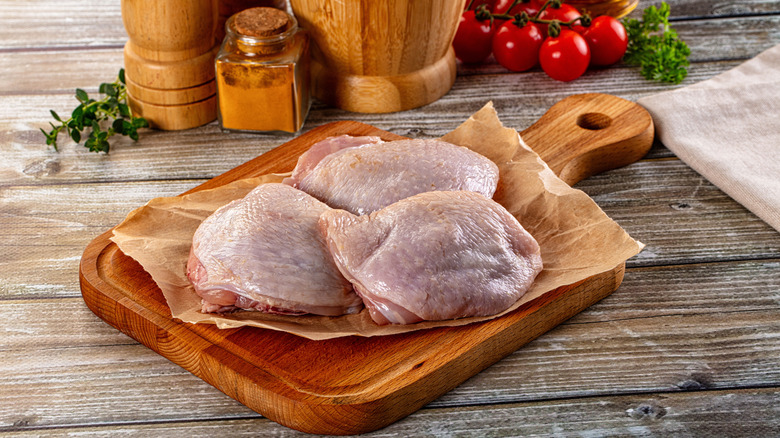
Need a change from all that slow simmering and low braising? Well, chicken thighs are the speedy option on this list. A classic chicken noodle soup needs chicken thighs that are browned and then simmered for as little as 30 minutes. At around the 15-minute mark, you can add in chicken breasts for a more substantial meaty soup. Vegetables and noodles round out the recipe, and add-ins such as aromatics and spices can be played around with according to your tastes and preferences.
Recipe developers and test kitchens love using chicken thighs for soups because they hold up well in simmering liquids. Bone-in thighs deepen the flavor of the broth without leaving it greasy. Remember that if you are adding chicken breasts to the mix, they tend to dry out easily if they cook too long. Several soup recipes recommend browning the thighs skin-on first, then discarding the skin before simmering. A gentle simmer rather than a hard boil is also the way to go to prevent the chicken meat from hardening. All tips worthy of noting to ensure you have that perfect bowl of chicken soup waiting for you.
Chicken wings
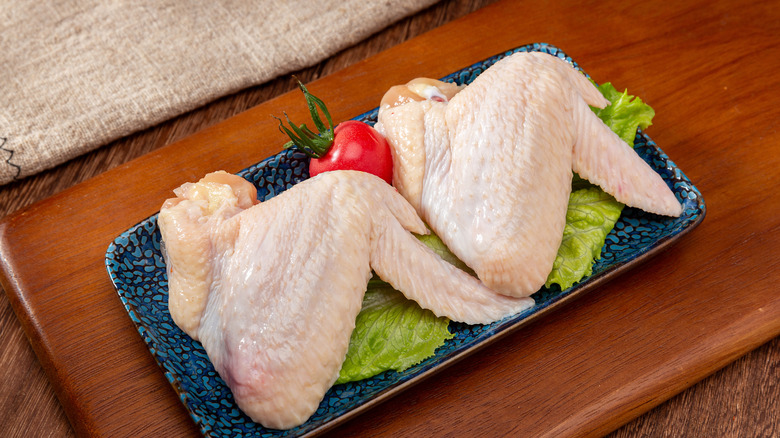
Different cuts of chicken perform differently when it comes to producing stock, with chicken wings often giving stock the most body. No surprises, since wings are cartilage-rich joints and the collagen in wings breaks down and turns to gelatin during a slow simmer, giving the stock a silky texture.
Flavor is where the results get more nuanced. While stock made from wings may not taste as "chicken-y" as that made with thighs or breasts, it often has the cleanest flavor. That trade-off is the case for wings. You get good texture, decent flavor, and a low price, so a pot made with wings alone is the best value of the bunch. For an added punch of flavor, you could also add chicken breasts or thighs to the mix while simmering.
Plan for time, though, as chicken wings can require a long, slow simmer with at least two to three hours on a stove or an hour in a pressure cooker. Quicker variations suggest using only wing tips — as often used for recipes such as honey garlic chicken wings — cooked with vegetables and aromatics, and even pasta for a more filling meal.
Turkey wings and neck
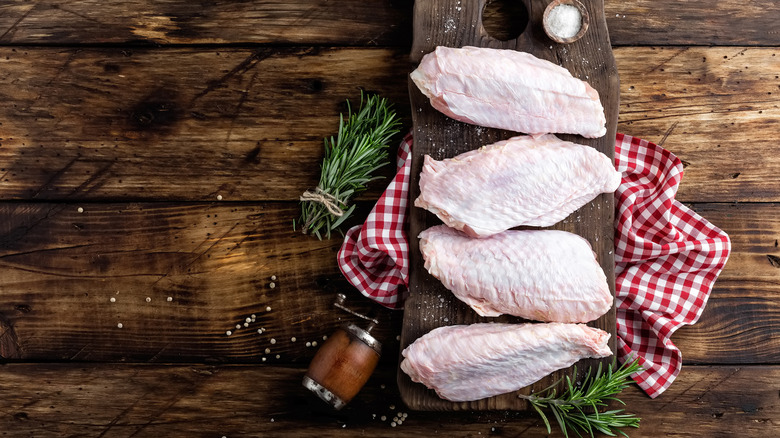
With Thanksgiving around the corner, planning a post-Thanksgiving dish made from leftover roasted turkey wings is a practical option. Once the holiday bird has been demolished, any leftover cuts can be used to make a hearty soup for the chilly days ahead. That said, this recipe is not just restricted to post- Thanksgiving. Fresh turkey wings or the neck pieces can be roasted just for a soup. All you need to do is simmer the wings and neck with root vegetables such as potatoes, celery, carrots, parsnips, and onions for one to two hours. Once the meat is tender, remove it, shred it, and return it to the pot. Like almost every other soup on this list, the broth only gets tastier the longer it sits in the fridge.
Using a pressure or slow cooker also takes away the need to hover over a stove. When using turkey necks, time is needed to soften the meat enough to release it from the bone. And while the meat is sparse, it is also dark, juicy, and rich, with a pull-apart texture. Budget-friendly smoked turkey wings and necks can be seared in batches before being slow-cooked to make a stock. Smoked turkey is also an excellent swap for ham hocks in a pinch.
Ham hock
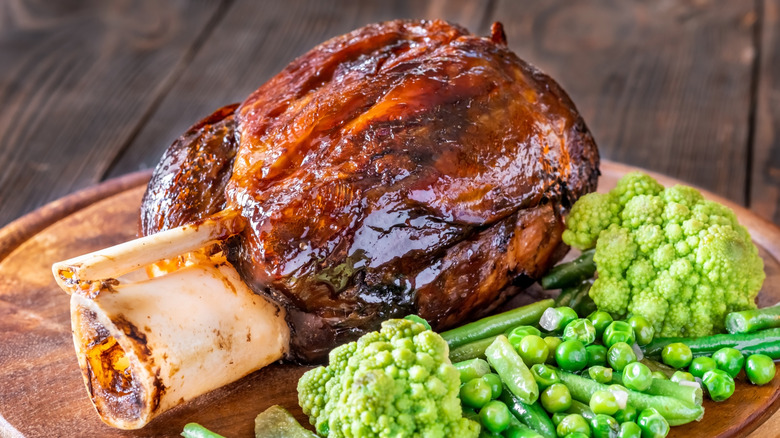
Unlike the other cuts of meat on this list, ham hocks are here to do a completely different job. They are bought more for what they do to the pot rather than for the meat on them. As a cut, ham hock refers to the softball-sized knob of meat, bone, gristle, and skin, placed just above the foot of the animal. This joint is rich in collagen, which naturally thickens a soup, while the smoky meat lends a deep, meaty character. Because it's mostly fat, bone, and connective tissue with only a little meat, it does require a long cook, so plan accordingly.
Ham hocks can be bought smoked or cured, so take care with your seasoning. In fact, it would be prudent to completely hold back on adding salt until you've tasted the soup. You can also soak a smoked hock overnight to draw out some of the salt or rinse it thoroughly before use. When you slice or split the ham hock into smaller pieces, more fat and collagen cook out — always a good thing for a silky broth. Classic soup recipes utilizing ham hock include ham and bean soup and split pea soup. Here, the smoked hock goes into the pot with the peas and broth for an hour or two. When the peas are soft, the hock comes out, and the meat is shredded and stirred back in.
Pork shoulder
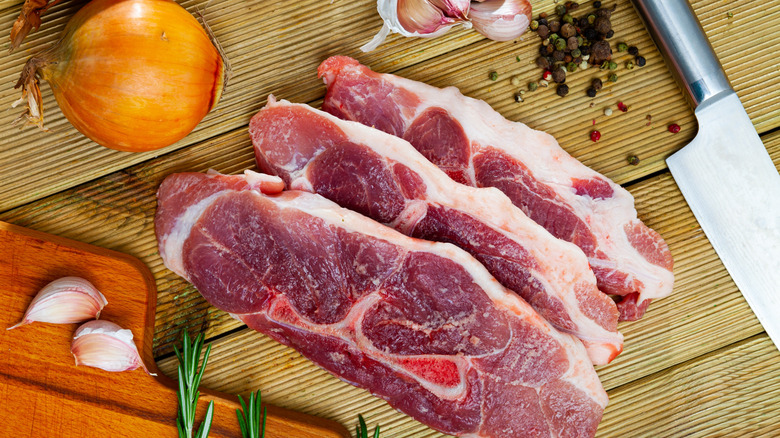
Pork shoulder is the meat you reach for when building a soup meant for chilly winter nights. The shoulder cut comes from the front of the animal and is a muscular area that works hard. This means that it's a cut that starts out tough. It's also marbled with fat, connective tissue, and sinew that melts away the longer and slower you cook it. What's left is tender meat that pulls apart in thick shreds and a broth that is smooth and full of body. Pork shoulder is also often one of the better value cuts at the butcher counter. Keep in mind that shoulder and butt are similar cuts, so a roast labeled pork butt or Boston butt is what you're after.
Pozole is one of the best recipes to showcase pork shoulder in a soup. Here, pieces of boneless pork butt are simmered for about two hours, with foam skimmed off along the way. Hominy and a strained puree of dried chiles then go in for the last 20 minutes for that zesty punch. Pozole can keep for about three days in a refrigerator and three months in the freezer. You can also pair shoulder with pork shank and trotters for an even richer blend. Whatever you use, remember, bone-in shoulder tends to stay moist and taste deeper, while boneless is easier to cube and shred.
Lamb shank
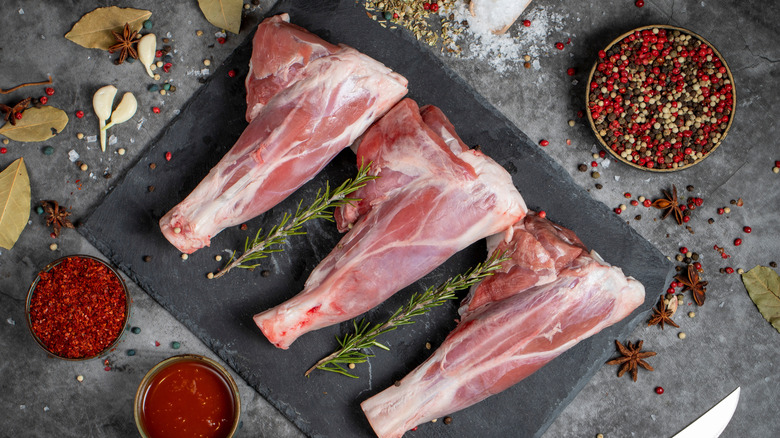
Lamb shank is a great choice for soup because it is packed with connective tissue. As a result, it rewards a long simmer. That tissue softens as it cooks, leaving tender meat and a deep, savory broth. That's what makes it so popular for the likes of lamb stew.
Shanks come in two types: foreshanks are smaller and a little more tender, while hindshanks are larger and meatier, so they typically need more time to cook. Either one has enough character to stand up to bold seasonings, setting them apart from milder cuts. Cooked on the bone, a shank also builds its own stock as it simmers.
That's the logic behind Scotch broth, one of Scotland's best-known soups, which is traditionally made with lamb neck or bone-in shank. The recipe dictates simmering the shanks in water for a couple of hours to make the stock. Once the meat is cooked, it is removed, diced, and returned to the broth along with barley. This adds flavor and gives the soup its thick consistency. Leftovers set firm in the fridge because of the lamb fat and gelatin, so thin them with a splash of water as they reheat.
Marrow
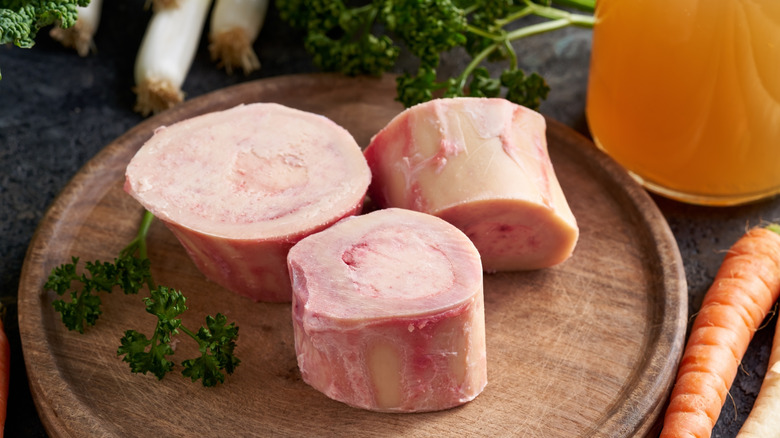
Marrow isn't a cut so much as a bonus, and a few classic soups are built around it. The richness inside the bone melts into the broth as it simmers, and it's just as good scooped out and eaten on its own. In French pot-au-feu, the marrow bones are cooked separately from the rest of the pot and simmered in salted water for up to 20 minutes until the marrow turns tender, so they stay intact. Traditionally, with pot-au-feu, the broth is served separately, while the marrow is scooped out and served on the likes of toast.
In the Philippines, bone marrow is what defines bulalo, a soup from southern Luzon. The marrow often comes from beef shanks. It helps to ask your butcher to slice the shanks crosswise into thick pieces, so the marrow stays in the center. The shanks slow-simmer for about two hours, and the vegetables like corn and leafy greens need only a few minutes at the end. Keep the pot at a gentle simmer and stir lightly so the marrow doesn't escape the bone, ensuring that you and your guests get to scoop up all the yumminess at the table.