

13 Of The Oldest Wineries Still Up And Running In The US
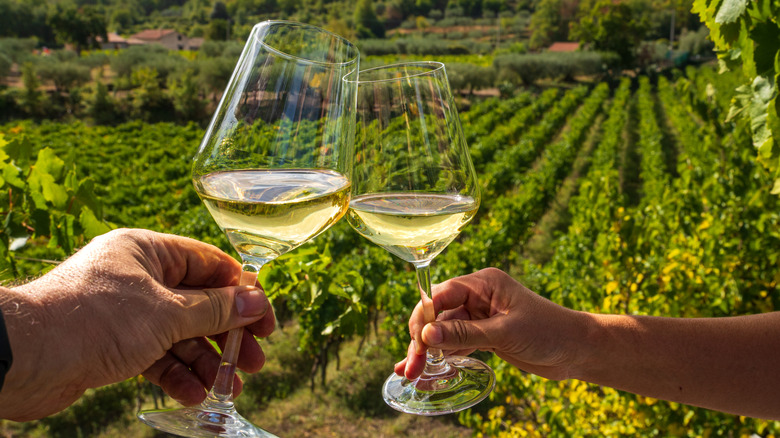
The origins of winemaking in the United States are attributed to the arrival of early pioneers. While these settlers harvested, cultivated, and fermented grapes into wine, Native Americans were producing wine 500 years earlier. Still, today's thriving industry can be traced back to the pioneers and their cultivation of the Vitis labrusca species.
Early winemakers in the Eastern and Midwest regions would have used similar species to make wine, establishing some of the first vineyards. Meanwhile, in California, wine production began with Spanish settlers migrating north from Mexico and bringing Vitis vinifera vines in 1769, which thrived in the climate. Almost 100 years later, European immigrants began to migrate west during the Gold Rush bringing their winemaking traditions to California.
Many of the earliest wineries in the United States were established around this time. Surprisingly, several are still producing wine today, some with the same family owning and operating the estate through generations. Here are 13 of the oldest wineries in the U.S. you can still visit today. The tasting and tour guidelines and prices provided for each establishment are accurate as of publication.
1. Buena Vista Winery
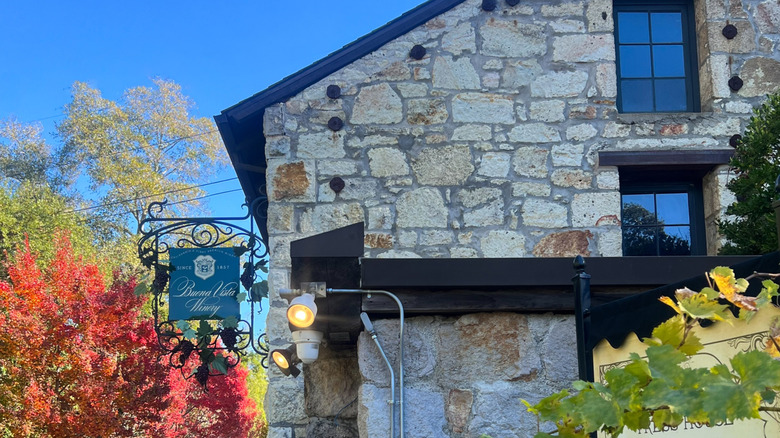
Buena Vista Winery was established in 1857 by Hungarian immigrant Agoston Haraszthy, the self-proclaimed "Count of Buena Vista." He was a pioneer in early viticulture in California as he travelled around Europe and brought back thousands of vine samples, notably cabernet sauvignon, chardonnay, riesling, and zinfandel. The Count was an innovator in viniculture, building the first gravity-flow winery in California and experimenting with blending and aging techniques. Haraszthy met an untimely death while in Nicaragua exploring the sugar and rum industries, when he fell into a river populated with alligators and was never seen again.
Following the Count's death, Buena Vista Winery continued operating until 1878 when it changed hands a few times, leaving the vines untended. Eventually in the 1940s, the winery was reopened. Since then, it has become part of Boisset Family Estates led by Jean-Charles Boisset. With its history of winemaking, the family has remade Buena Vista Winery, keeping its tradition and the Count's innovation alive. In fact, visitors are greeted by an actor portraying Agoston Haraszthy upon arrival.
The old stone winery built by the Count has been restored and now features a museum, tasting room, barrel aging space, and the Bubble Lounge sparkling wine bar. It's open to the public with tastings starting at $30 per person. The atmosphere is described as casual and lively, with plenty to do and see on the storied grounds.
(800) 926-1266
18000 Old Winery Rd, Sonoma, CA 95476
2. Charles Krug Winery
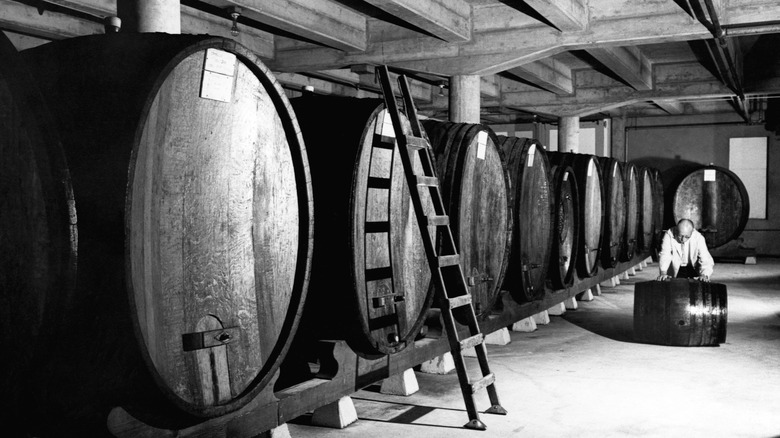
A friend of Agoston Haraszthy, Charles Krug worked for several early winemakers in California before establishing his own winery. In fact, Krug was Napa Valley's first hired winemaker, making the region's first commercial wine. When he was ready to plant his own grapes, Krug purchased 25 acres of land from Haraszthy and named it Monte Bello Vineyard. After his marriage to Carolina Bale and subsequent inheritance of 540 acres in Napa Valley, Krug established the Charles Krug Winery in 1861 and began his own innovations, like establishing the first tasting room in 1882.
In 1943, propelled by the ambitions of eldest son Robert Mondavi, the estate was purchased by the Mondavi family, a sale that would initiate a wine dynasty. The estate remains under the care of two of Cesare Mondavi's grandsons, Marc and Peter Jr. Though the original winery building is gone, guests can enjoy the renovated Redwood Cellar and historic carriage house while also viewing the collection of vintage wines housed on the estate, some of which date back to 1944.
Of course, most guests visit to taste the variety of Charles Krug wines on offer. An estate tasting must be reserved in advance and starts at $50 per person. During the experience, guests can try current wines, learn the history of the estate, and even enjoy charcuterie boards or wood-fired pizzas from the on-site kitchen.
(800) 682-5784
2800 Main St, St. Helena, CA 94574
3. Beringer Vineyards
As another St. Helena-based winery, Beringer Vineyards can connect its origins to Charles Krug. Jacob Beringer took a job with Krug as a cellar foreman after moving to California in 1869, and worked for him for several years until purchasing 215 acres next door to start a winery with his brother in 1875. Their first harvest was in 1876, and Beringer has been producing wine ever since, giving it the distinction as Napa's oldest continuously operating winery.
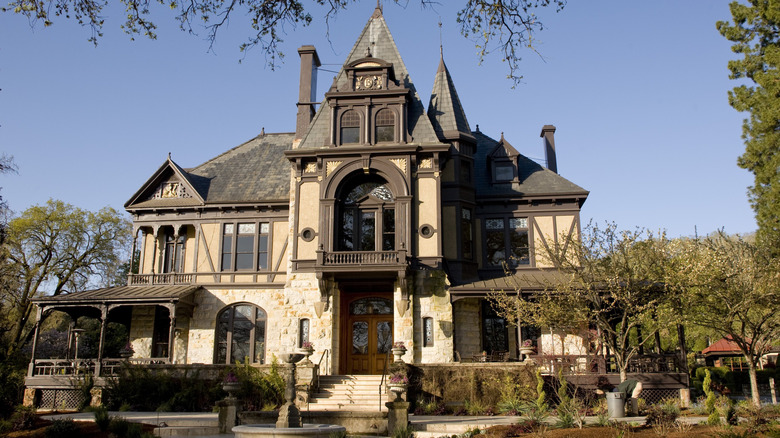
The winery remained open through Prohibition, acquiring a license to sell sacramental wine. Jacob's daughter Bertha is credited with foreseeing the need for this license, and may have been the host of a speakeasy, selling wine illegally. Beringer was the first winery to allow public tours in 1934. Since then, guests have been able to enjoy the property's historic architecture, such as the Rhine house and Hudson house. The former was built as Frederick's personal residence and designed by architect Albert Schroepfer to look like the Beringer family home in Germany.
Today, guests can tour the Victorian style mansion and even enjoy a glass of wine in the library or sitting on the front porch. Visits start at $35 for a self-guided tour and a tasting of four well-regarded wines. More curated experiences carry a higher price tag, and can include tours of the hand-dug caves, gardens, and wine and food pairings.
(707) 257-5771
2000 Main St, St. Helena, CA 94574
4. Wente Family Vineyards
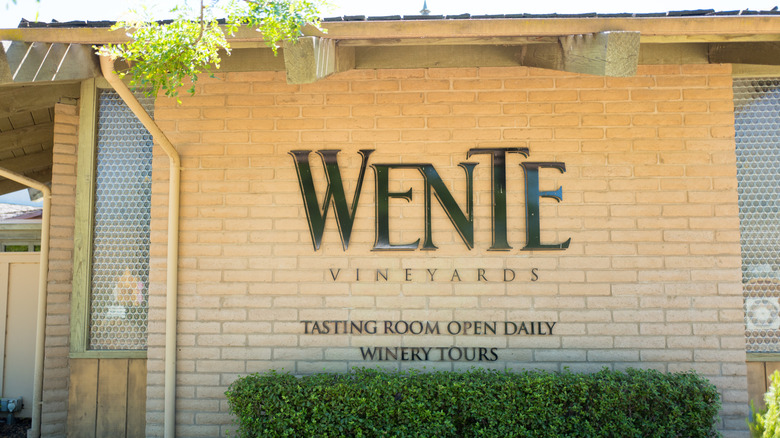
Another student of Charles Krug, C.H. Wente established his Vineyard in Livermore, California, in 1883. Ever since, the Wente family has been making wine. C.H.'s son Ernest is credited with bringing chardonnay grapes from France and propagating the vines that now make up 75% of the chardonnay grapes in California. Sustainability has long been valued at Wente Family Vineyards, with a focus on regenerative farming practices including no-till, cover crops, and sheep grazing to maintain a healthy soil microbiome without ground disturbance and harmful chemicals.
There is plenty to enjoy at Wente, including a golf course, live music, curated events, and of course wine tasting. Daily tastings start at $40 per person and consist of fun learning opportunities like a blind tasting and a class that shows how glass shape affects the taste of the wine. As a family run winery, Wente Vineyards has a family friendly atmosphere, allowing everyone to enjoy the various events and open spaces, like the Cabernet Lawn.
(925) 456-2300
5050 Arrayo Rd, Livermore, CA 94550
5. Stone Hill Winery
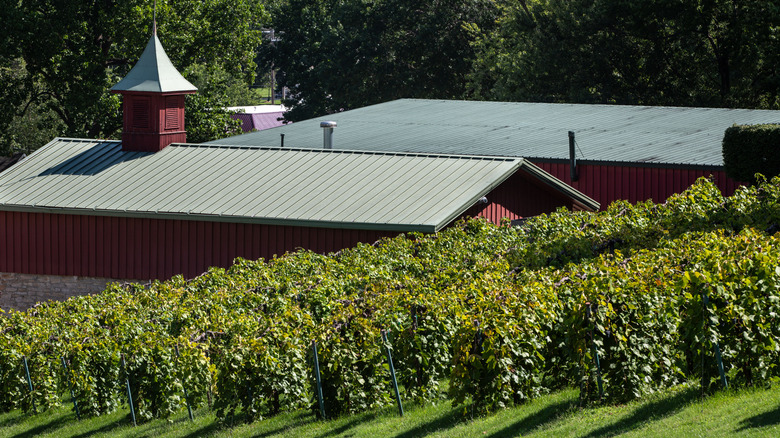
Hermann, Missouri, established its own wine country before Napa Valley laid claim to the distinction. After German immigrants arrived in 1837, wine grapes were planted along the Missouri River. One such immigrant, Michael Poeschel, founded the Stone Hill Winery Co. in 1847, which became the second-largest winery in the United States at the time. Poeschel received many accolades, but with anti-German sentiments post WWI and Prohibition soon after, the winery was forced to close.
Starting in 1923, the wine cellars were used for mushroom farming by Bill and Mary Harrison. Hoping to preserve the historical charm of the winery and restore it to its original purpose, the Harrisons invited Jim and Betty Held to reestablish a vineyard at Stone Hill. Having planted a small vineyard on their farm in 1961, the Helds were new to viticulture and hesitant about such an undertaking. With much persuasion, they eventually took on the challenge in 1965 and are credited with reviving the wine production culture in Hermann.
Today, Stone Hill Winery continues this legacy, producing awarding-winning wines including those made from grapes unique to the region, like vignoles, a French hybrid, and norton, indigenous to Virginia and now Missouri's official grape. Hospitality is an important family value at Stone Hill, where visitors can have a complimentary tour of the winery and museum, and enjoy a tasting of six wines starting at $15 per person.
(573) 486-2221
1110 Stone Hill Hwy, Hermann, MO 65041
6. Adam Puchta Winery
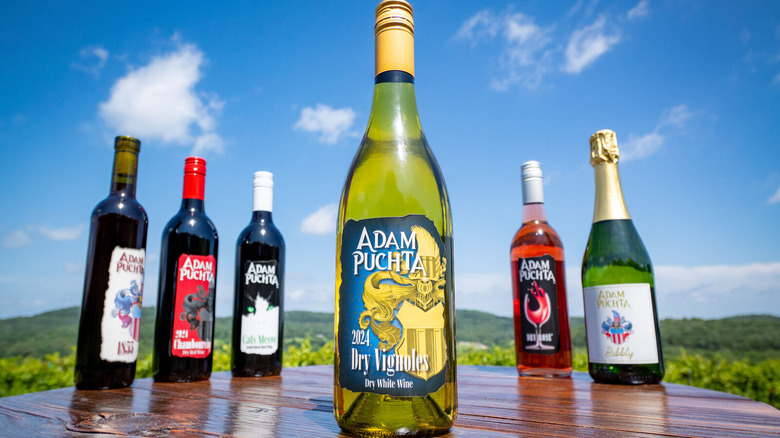
Also a part of the Hermann, Missouri, wine trail, Adam Puchta lays claim to being the oldest, continuously owned family winery in the United States. After travelling to California to sell cattle, Adam Puchta returned to Hermann to establish his winery in 1855. He and his family sold small kegs and wine barrels to restaurants and taverns along the Missouri river until forced to stop during Prohibition.
Though much of their crop and equipment was destroyed during that time, the Puchta family continued producing the 200 gallons of wine allowed per family for personal consumption only. Even with the destruction of Prohibition, the family was able to protect a small vineyard of norton grapes which were hidden in the woods.
The Adam Puchta Winery produces a range of wine styles from sweet reds to dry rose and bubbly. Guests can enjoy touring the grounds and visiting the historic buildings that remain on the property, or relax at the restaurant or outdoor seating areas and enjoy live music. Tastings start at just $10 per person, but for a higher price point the winery offers elevated tasting experiences which include food pairings.
(573) 486-5596
1947 Frene Creek Rd, Hermann, MO 65041
7. Brotherhood Winery
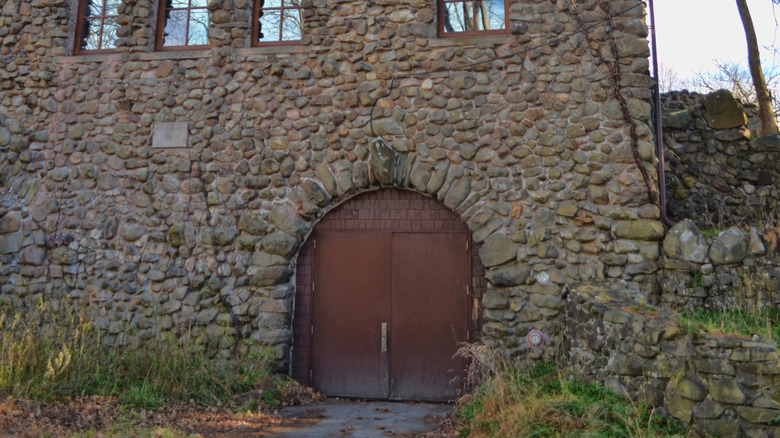
Brotherhood Winery claims the title of "America's Oldest Winery," established in 1835 by John Jaques as a vineyard. Jaques sold grapes in New York City for a few years before he started making wine, with his first commercial vintage released in 1839. During Prohibition, new owners Edward Emerson and Louis L. Farrell produced medicinal and sacramental wines coining the name The Brotherhood Corporation. Brotherhood is located in New York's Hudson Valley, one of the oldest wine growing regions in the country, and it has the infrastructure to prove it. While the viniculture equipment has been updated to modern standards, the historic stone buildings and underground wine cellars remain.
Guests can visit the longest hand-excavated underground cellars in the United States during their tour of the winery, and see barrels holding some of the oldest vintages in the country. After this unique tour, guests are treated to a guided tasting. Tours and tastings are first-come first-served and start at $25 per person. If you are only visiting for the wine, you can experience a tasting of five wines for just $15 per person. Visitors often spend hours on the grounds enjoying the restaurant, wine tasting, shopping, and seasonal live events.
(845) 496-3661
100 Brotherhood Plaza Dr, Washingtonville, NY 10992
8. Benmarl Winery
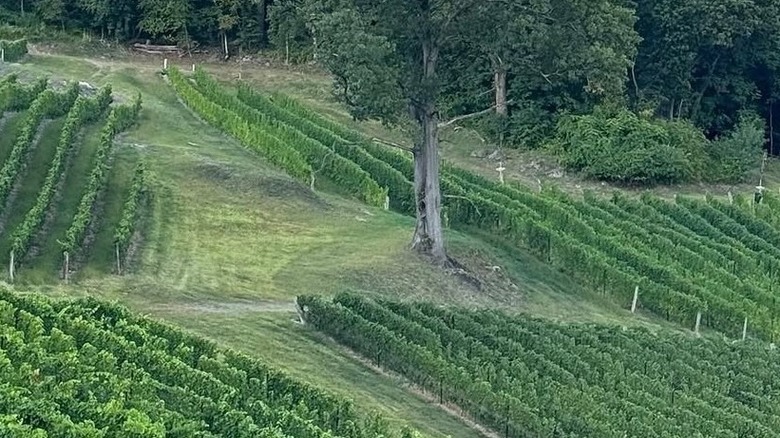
Benmarl Winery holds New York Farm Winery license number 1, and is claimed to be the oldest vineyard in America. It was first planted in the early 1800s by Andrew Jackson Caywood who became a leader in viticulture in the Hudson Valley at the time. He purchased more property to plant fruit trees, berries, and grapes, then moved to Marlborough to start a new nursery. The property was then cared for by William L. Wardell until it was sold to Mark and Dene Miller in 1957, when it became Benmarl Vineyard. The Miller Family replanted the vineyard with popular European grapes and hybrids and established a high standard of small batch winemaking, putting Benmarl on the map of Hudson Valley wine production.
Today, Benmarl is owned and maintained by the Spaccarelli family who have kept the values of high quality wines set by the Miller family and increased production to over 20 grape varieties. The winery offers tastings and other events starting at $15 per person with a reservation. Guests can also enjoy woodfired pizza on weekends while enjoying a glass of the popular riesling as they look out over the country's oldest vineyard.
(845) 236-4265
156 Highland Ave, Marlboro, NY 12542
9. Baker-Bird Winery
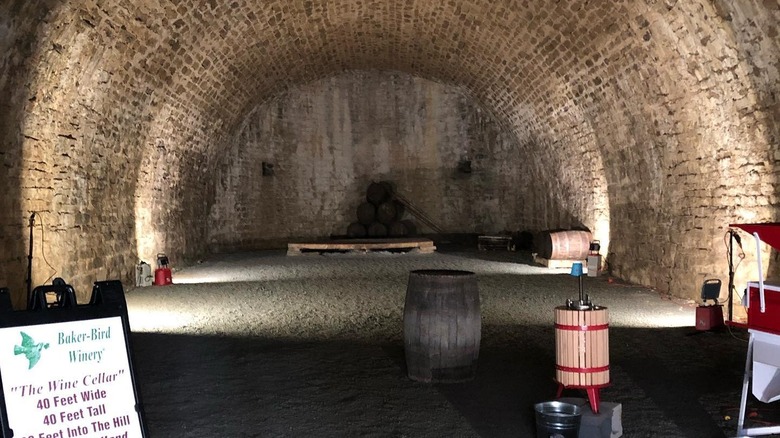
Baker-Bird Winery is proud to be the only winery in the United States to have survived a Civil War battle, providing shelter for citizens in Augusta, Kentucky, in 1862. In the 1850s Abraham Baker Jr., son of distiller John Baker, built the wine cellar which remains one of the oldest and largest in the country.
In recent history, the property was dormant for a while before it was purchased by current owner Dinah Bird in 2003. Bird works as an investment manager and has become a certified horticulturist since purchasing the winery. She has also put the winery and distillery on the Kentucky Bourbon Trail, restoring the distillery to production in 2018 using John Baker's recipe.
Guests can enjoy tours of the historic property on weekends or Thursdays and Fridays with a reservation. There are also a variety of tastings, including wine and cheese or bourbon and ice cream pairings, starting at $10 per person. Reviewers say the atmosphere is relaxing and romantic and highlight the friendly and knowledgeable staff.
(606) 756-3739
4465 Augusta/Chatham Rd, Augusta, KY 41002
10. First Vineyard
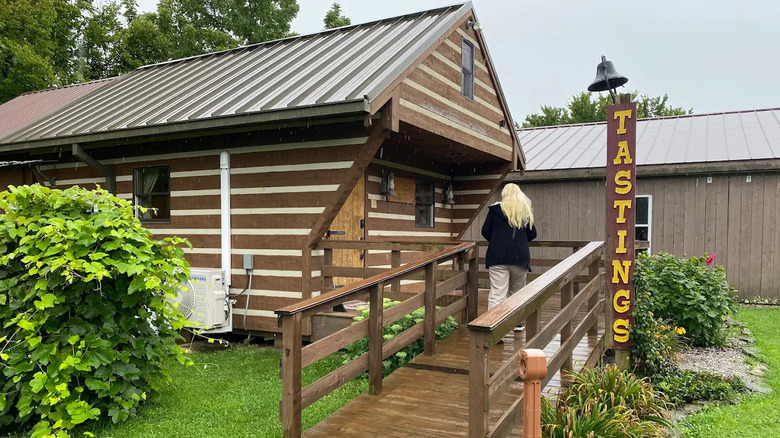
First Vineyard was established in 1799 by Kentucky State Statute and planted by John James Dufour with the help of stockholders known as subscribers. Some of the subscribers were well known men of history like Secretary of State Henry Clay and Secretary of the Treasury George Bibb. They could send male heirs to learn the trade of viticulture in the vineyard, and were also eligible for 1,000 cuttings from the vineyard in order to grow grapes to produce their own wine. Dufour even wrote a book that became a key text for growers and winemakers through the mid-19th century.
The winery only operated until 1809 and was reopened in 2012 by current owner Tom Beall with the history in mind. The grapes grown in the vineyard include the cape grape, norton, and concord, which lend themselves to sweeter wines. Guests can enjoy tastings by making an appointment. The property also features a bed and breakfast for travelers hoping to relax and spend more time in the scenic area.
(859) 948-4208
5800 Sugar Creek Pike, Nicholasville, KY 40356
11. Inglenook
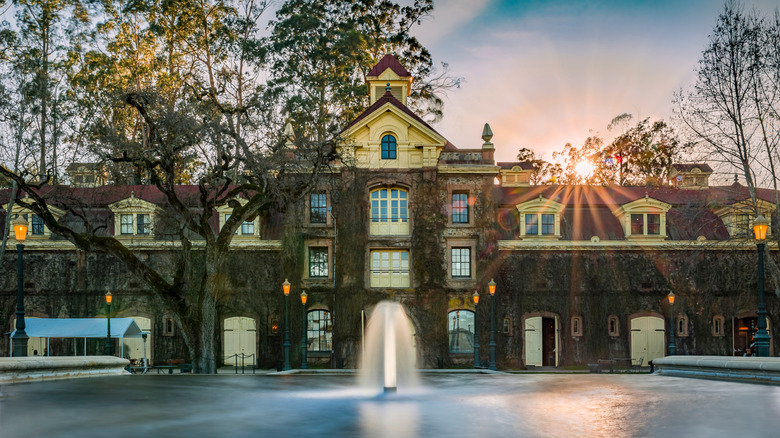
Gustave Niebaum purchased the property that would become Inglenook in 1879 and began construction on its stately chateau in 1881. The estate enjoyed world-wide accolades for winemaking for almost a century, especially under the management of John Daniel Jr., Niebaum's grandnephew. However, Daniel sold the winery to a corporation in 1964 which derailed the success of the property.
In 1975, Francis Ford Coppola bought a portion of the property, and realizing its historical and cultural significance, the family vowed to reunite the original vineyards and the chateau, which were sold as separate properties after the corporation took over in 1964. They succeeded, even reclaiming Inglenook's name and trademark in 2011. Now, Inglenook once again produces award-winning wines with burgeoning technology and sustainability in mind. It was one of the first Napa Valley estates to be certified organic and utilizes the restored land to promote local biodiversity.
Today, guests can enjoy a variety of tours and tastings on the property starting at $75 per person. They can experience the beautiful views of the vineyard, iconic chateau, and manicured garden while sipping on Inglenook's signature Rubicon wine. The estate also offers events like curated dinners and the Rubicon Release Harvest party in the fall.
(707) 968-1100
1991 St Helena Hwy, Rutherford, CA 94573
12. Gundlach Bundschu Winery
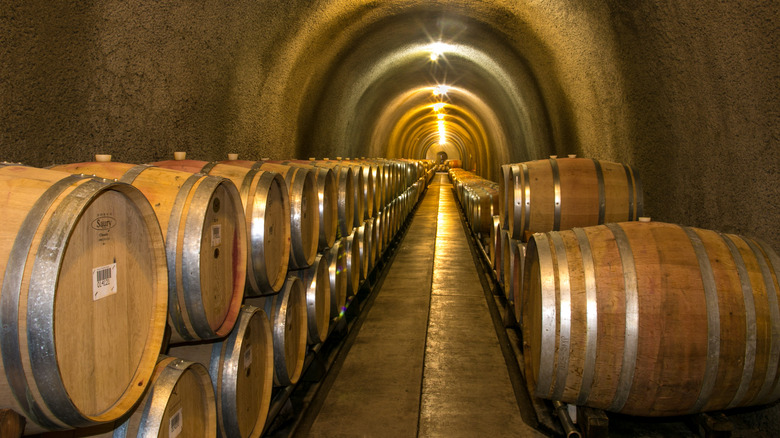
Gundlach Bundschu winery began in 1858 when Jacob Gundlach established the Rhinefarm on 400 acres in Sonoma, California. He then returned to Europe to purchase rootstock to plant his vineyard, producing his first vintage in 1861. Charles Bundschu joined the winery in 1868, beginning a family legacy that would span 150 years and counting. The vineyard survived the phylloxera outbreak of the 1870s by grafting the European vines to native rootstock from Texas. It survived the San Francisco earthquake of 1906 and Prohibition, though the winery did close its doors at the time. The Bundschu family managed to keep 130 acres of the Rhinefarm and continued farming grapes for juice.
It wasn't until 1973 that Jim Bundschu, a fifth-generation member of the family, managed to convince his father that the estate should produce wine again. Since then, the family has reestablished the original Rhinefarm to a single contiguous estate vineyard, received an organic certification, and implemented regenerative farming practices.
Today, guests can visit this historic property, still owned and farmed by the Bundschu family, to enjoy tours and tastings starting at $30 per person with a reservation. They can also enjoy a glass of wine in the various outdoor and indoor spaces, like the barrel room, which is the site of wintertime Hi-Fi Happy Hour when Bundschu family members are known to put on their favorite record and relax with one of their award-winning wines.
(707) 938-5277
2000 Denmark St, Sonoma, CA 95476
13. Nichelini Family Winery
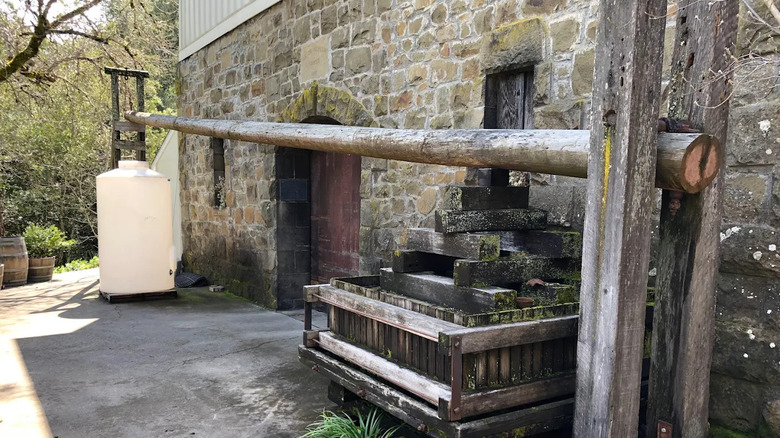
The Nichelini Family Winery was founded by Swiss immigrant and homesteader Anton Nichelini in 1884 in the Chiles Valley of Napa. He first planted grape vines and olive trees and built a stone winery with a Roman wine press. He also built a home above the winery which eventually housed him and his family of 12 children. During this time, Anton created a wine delivery service, bringing wine to households and eventually to restaurants and retailers. The winery, original home, and Roman wine press remain on the historic property still owned and operated by the Nichelini family.
Considering the winery has remained in the family for the last 130 years, it is only fitting that the head winemaker is a member of the family. Fifth generation Aimée Sunseri took over the position in 2009 and has been leading every aspect of wine production on the estate since. She is driven by her passion for the history of her family's legacy and sense of place that it instills.
Guests can visit the homestead Thursdays through Sundays and enjoy wine tastings in the historic home starting at $30 per person. Reservations are recommended but walk-ins are welcome.
(707) 963-0717
2950 Sage Canyon Rd, St. Helena, CA 94574