

The Frozen Shortcut Ree Drummond Calls A 'Triumph' In The Kitchen
Frozen food gets a bad rap. Admittedly, there may be some barely edible stuff in the freezer aisle, but culturally, many shoppers treat frozen food as a culinarily suspect monolith; somehow, frozen peas, broccoli, and corn get lumped in with ultra-processed TV dinners. But Ree Drummond, the author, blogger, and Food Network star known as The Pioneer Woman, wants to set the record straight. Drummond told Mashed that she's learned to embrace frozen food, especially in the wake of the pandemic.
Like many, Drummond found herself struggling to meet the needs of her large family during the pandemic. "All of my kids were home ... and cooking just became not a pleasure anymore," she explained. "I started giving myself permission to break out more of those short-cut ingredients." For Drummond, that meant reaching for frozen vegetables instead of fresh. "Frozen green vegetables are a triumph. Green beans, peas, that whole category really opens up worlds," she said. "And there's not an enormous amount of difference if you're making a casserole or a soup or a stew, if you use a bag of frozen green beans."
Why frozen food is (sometimes) better
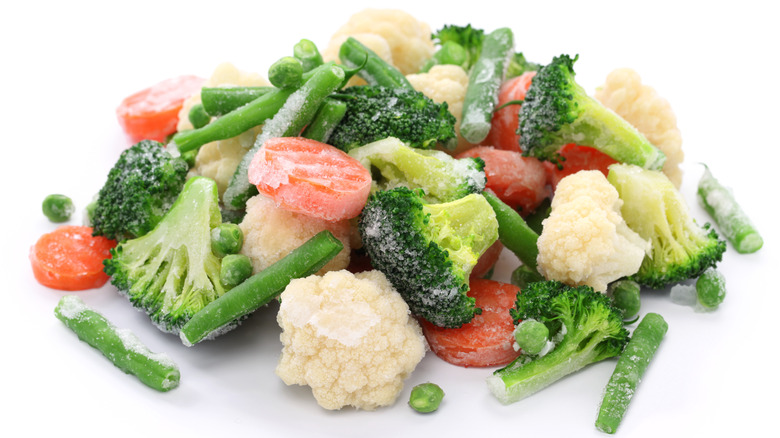
Frozen vegetables are an easy way to streamline food prep. The time you save by using pre-chopped peppers may seem minimal, but it makes a big difference. Frozen food offers other perks, too. The fruits and vegetables in the freezer aisle are just as healthy, since they are frozen soon after harvesting, which helps preserve nutrients. Fresh produce, on the other hand, sometimes languishes in storage for months before hitting supermarket shelves — losing flavor and nutrients along the way.
Plus, frozen food is typically cheaper than fresh produce. Even when it's less expensive to buy fresh — say, if you're shopping for in-season produce that's widely grown in your area — you can stock up and freeze the produce yourself at home. According to the USDA, food will stay safe indefinitely if you store it at 0 degrees Fahrenheit. Just make sure to blanch the vegetables first to kill germs and preserve nutrients.
Of course, frozen vegetables aren't entirely foolproof. Check for frozen veggie red flags, like freezer burn and clumps — both signs that the food is past its prime. Avoid thawing frozen vegetables before using them, too. Meat needs to be thawed to cook evenly, but thawing frozen vegetables can make them mushy. The best way to get the most out of frozen veggies is to cook them straight from the freezer.
Static Media owns and operates Mashed and The Takeout.