

The Most Common Way Lead Ends Up In Food

Lead certainly doesn't sound appetizing, yet it still finds its way into the foods we eat every day. While lead occurs naturally in soil at very low levels, human activity has dramatically increased its circulation in the environment. Over decades, industrialization, transportation, and construction have released additional lead into the environment, raising the risk of exposure through food. When lead is ingested at elevated levels, it can affect multiple body systems — especially in young children, as well as adults of child-bearing age. And one of the most common pathways for lead to enter food is through contaminated soil.
Past use of leaded gasoline, lead-based paint, mining, and industrial emissions have released lead in urban areas, near busy roads, and around older buildings, into the environment. Lead does not break down over time; instead, it binds tightly to soil particles. Airborne dust containing lead can also settle directly onto farmland and gardens, contaminating crops from the outside; like leafy greens, and the skins of fruit and grains.
Lead can also enter food during processing, cooking, or storage. Acidic foods, such as coffee, tomatoes, citrus, or vinegar-based sauces, are more susceptible to leaching lead from damaged or poorly glazed pottery, lead-soldered containers, or crystal glassware. Even some vintage dishware contains lead, like early editions of Pyrex. The same is true for older processing equipment or storage materials containing lead components. Together, these pathways explain how lead continues to end up on our plates.
How the food industry safely manages low levels of lead
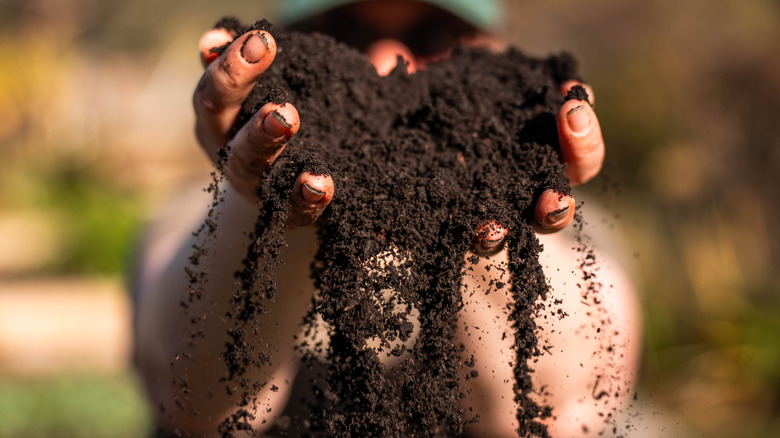
Does this mean we could be consuming lead-containing fruit, vegetables, grain, or packaged foods? In a sense, yes — but usually only at very low levels. Many agricultural areas have naturally low amounts of lead, especially rural farmland far from highways. According to the Environmental Protection Agency (EPA), lead levels in soil below 100 parts per million (ppm) don't pose a risk, with only a fraction of lead being absorbed through edible crops. For example, commonly eaten fruit like apples, tomatoes, or strawberries usually contain one to three micrograms of lead per serving, reflecting natural environmental uptake rather than hazardous contamination. Agricultural operations typically test soil, rotate crops, restrict farming in high-risk areas, and avoid growing crops with higher lead uptake to prevent contamination.
As for grains and packaged foods (You may have noticed that some candy even has a lead warning), by law, manufacturers are responsible for preventing significant amounts of lead from appearing in retail goods. The U.S. Food and Drug Administration (FDA) also tests finished products sold in grocery stores, especially in keeping with the updated guidelines for lead in children's products, to ensure that they do not contain toxic levels of lead. Foods that do exceed federal limits can be recalled or restricted.
How to protect yourself against lead in your food

Because lead will never be entirely eliminated from the environment, there's no guarantee that it could never appear at elevated levels in our food. However, modern agricultural, manufacturing, and safety practices have greatly reduced the likelihood of harmful exposure.
For consumers who want to lower their risk of exposure, washing fruit and vegetables under running water helps remove soil and dust that may cling to surfaces, even if you if you peel the skin. Eating a balanced diet also matters, since consuming large amounts of a single food can increase exposure if that item contains trace lead. Eating foods rich in calcium, iron, and vitamin C may also reduce how much lead the body absorbs.
When cooking or storing food, avoid using old or damaged cookware, crystal glassware, or pottery that may contain lead-based glazes — especially for acidic foods. For those who garden at home, testing existing soil, using raised beds, or planting in commercial potting soils designed to meet safety standards can reduce risk. Soil testing services are often available through state university agricultural departments, and certified lead risk assessors can help identify potential hazards.