

What It Means When Bologna Is Labeled As 'All-Natural'
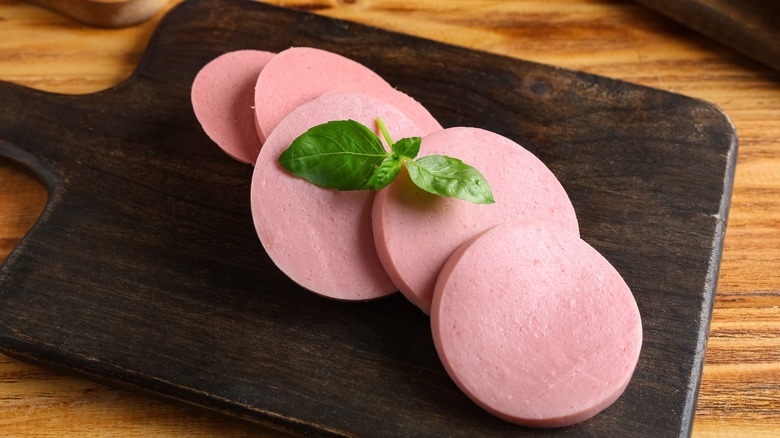
When you think of artificial meat products, you probably think of Spam first and then bologna as a close second. You might be reluctant to even use the words "natural" and "bologna" in the same sentence unless it's to explain how not natural the stuff is. So, it could come as a surprise to hear that there is such a thing as all-natural bologna.
To be considered all-natural, bologna must be free from synthetic ingredients of any kind, such as artificial nitrates and nitrites. Other than that, it can contain any cut or amount of meat with spices. This is definitely a processed meat, but that doesn't mean it's necessarily unnatural or "fake." The idea that bologna isn't made from actual meat is, unfortunately, a bologna myth that will probably never die.
While bologna does use real meat, consisting of all beef or a mixture of pork and beef, natural bologna specifically uses vegetable-derived nitrates. Vegetable nitrates and nitrites are often derived from fermented powder made out of celery, spinach, or beets, and the taste will vary based on how this blend is made. Artificial nitrates and nitrites, on the other hand, are produced through the crystallization of sodium nitrite and potassium nitrite solutions.
Research has shown our bodies can't really tell the difference. For example, cured bacon is different than uncured varieties in that it uses artificial nitrates, even though there's negligible flavor change between the two. Also, there's no major difference in healthiness between artificial and natural nitrates.
Why all-natural lunchmeat isn't necessarily better
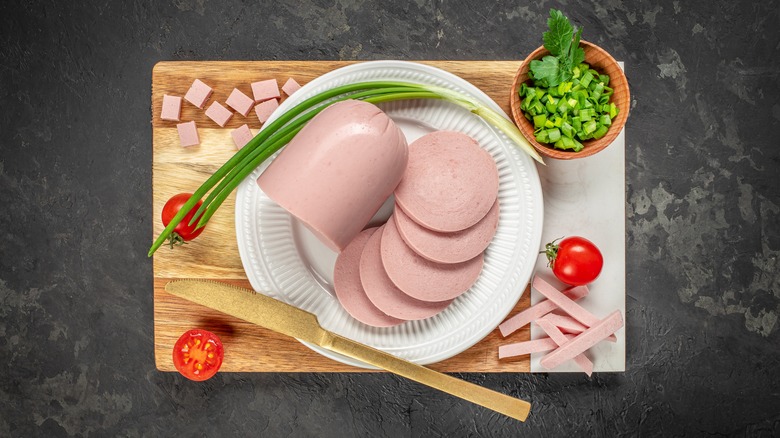
If you check the price tags in the deli section, you might notice all-natural bologna tends to be a touch more expensive. Given that there aren't any major health differences between artificial and natural nitrates, is there a reason to go with the all-natural option? The answer is maybe, but it depends on the brand. The truth of the matter is that "all-natural" as a label is more of a marketing term than anything else (in this case, anyway). When you hear natural, you might think grass-fed, all-natural bologna with a springy, firm texture and high protein content. Some brands will offer you exactly that. But the label alone only means it's free of artificial or synthetic colors, flavors, and preservatives, not that it's top grade in other capacities.
When it comes to quality, there may be stricter processing standards for certain all-natural processed meats, but it's not required by the FDA in order to be called natural. You'll need to check the ingredients label if you want to ensure you're getting all-meat, organic, or grass-fed components. If you're still hesitant about consuming less favorable cuts of meat, keep in mind that bologna production helps reduce food waste by utilizing all parts of an animal.
There are specific varieties of bologna that use only lower-fat meats for those watching their intake. If you're a vegetarian, there are even a few plant-based bologna brands that taste pretty good. To put it simply, there is some bologna that uses high-quality ingredients, and others you should avoid if you want a better lunch meat, but "all-natural" shouldn't be your guiding principle.