

Why Ketchup Tastes So Different In The US Than The Rest Of The World
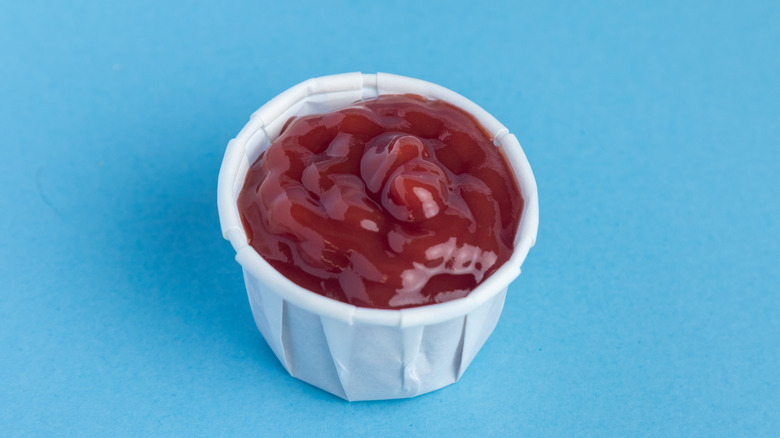
There's nothing Americans love quite like a healthy dollop of ketchup. Whether it's dipped with crispy fries, squirted onto scrambled eggs, or (in an act of sacrilege) served alongside steak, ketchup is one of America's favorite condiments. If you travel abroad and try to indulge in a little ketchup, however, you might be in for a surprise. In other countries, even those as near to the United States as Canada, Americans may notice a distinctly different taste to the ketchup. That's partly because American ketchup is made with high fructose corn syrup while ketchup in other countries is typically sweetened with sugar, leading to a slightly different flavor profile.
Beyond ingredients, though, other countries' culinary preferences lead to different forms of ketchup that are more appealing to local tastes. In Thailand, McDonald's offers both "American ketchup" which is, as the name suggests, what Americans would expect from ketchup and "tomato sauce" which is a thinner, less salty ketchup variation. Australians also enjoy their own "tomato sauce," which is thinner and more vinegar-flavored than American ketchup. This may come as a surprise to visiting Americans, but given that ketchup started as an upscale fish-based condiment and can be made in forms that don't include tomatoes at all, it shouldn't come as a surprise that it has evolved in different ways.
The surprising ways ketchup is enjoyed around the world
Whether you like your ketchup strictly American-style or are open to international varieties, you can't deny it's a versatile condiment. When you look at how ketchup is enjoyed around the world, that versatility becomes all the more apparent. While Americans adore ketchup on burgers and hot dogs, our neighbors to the south in Mexico have been known to enjoy ketchup as a pizza topping. Meanwhile, in Sweden, "ketchup spaghetti" is a quick-and-easy comfort meal that uses plain ketchup as a pasta sauce over cooked noodles.
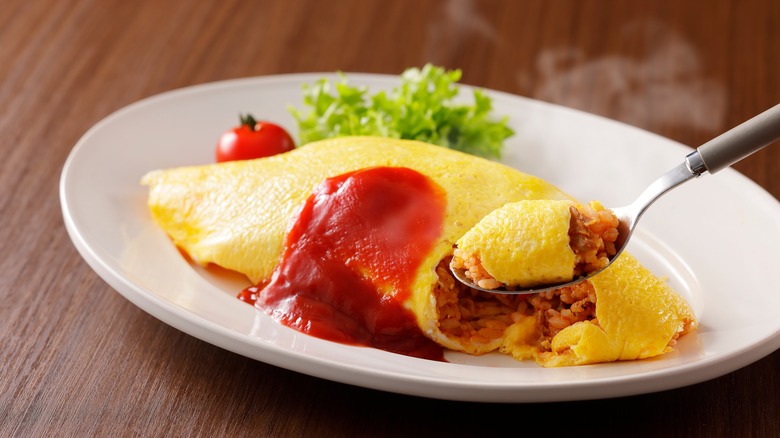
The prize for international innovation when it comes to ketchup may well go to Japan. While ketchup is seldom used as a dipping sauce in Japanese cuisine, it's a beloved ingredient or topping in several popular Japanese dishes. For instance, in omu rice, a Japanese comfort food consisting of an omelette made with fried rice, ketchup is drizzled on top to complete the dish. On the other hand, Spaghetti Napolitan is a Japanese pasta dish made with a ketchup-based sauce, bell peppers, onions, mushrooms, sausage, and occasionally bacon.