

Here's An Aspect Of Chocolate You Would Never Think Affects The Flavor, But It Does
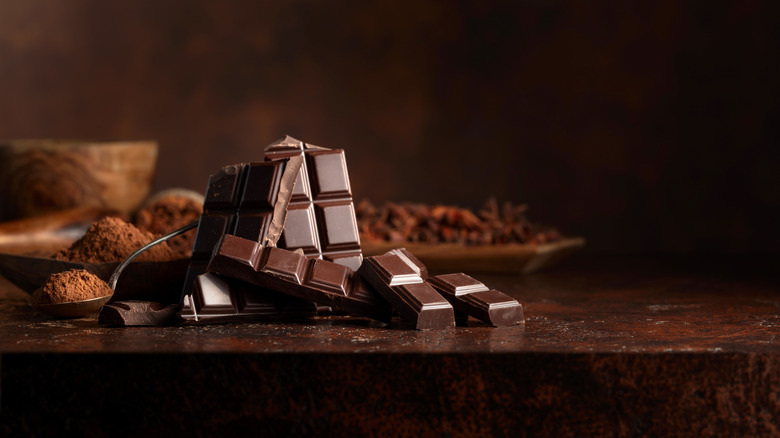
What makes chocolate taste so, well, chocolate-y? The cacao beans, the sugar, the fat, or some magical alchemy combining these elements? All these things play a part, as does size –- some of us here at The Takeout share a seemingly unpopular candy opinion that fun-sized bars actually do taste better than larger ones since too much of a good thing can be overkill. Nicole Patel, founder of Delaysia Chocolatier, suggests another factor may be contributing to how we perceive the flavor. Believe it or not, the shape of the chocolate has a lot to do with how we experience it.
"The shape plays a major role in how chocolate tastes and how the entire sensory experience unfolds. Shape determines how quickly the chocolate melts in your mouth, how the flavors are released, and even how your palate prepares for that first bite," Patel told The Takeout. She went on to say that chocolate is largely composed of cocoa butter (this holds particularly true for the cacao-less and divisive white chocolate), and since this substance melts at body temperature, changing the shape — and thence the melt rate — controls the way we experience the chocolate. "When the melt changes, the perception of flavor changes right along with it," she explained.
Different shapes melt at different rates
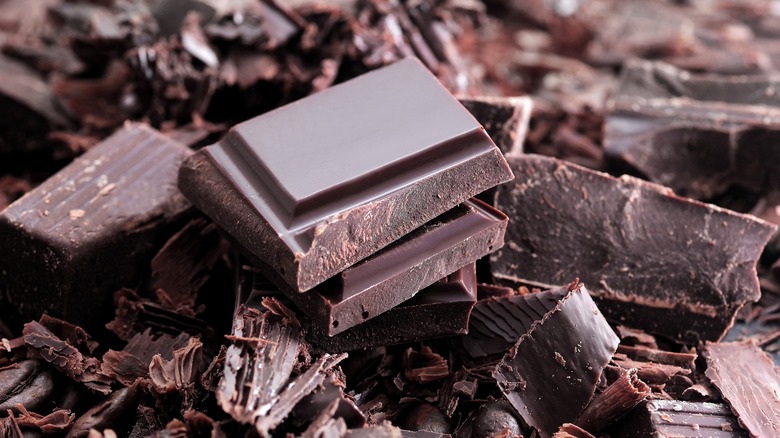
According to Patel, "Surface area and thickness dictate melt rate. Thinner or uniquely shaped pieces melt faster, so the flavors release quickly and can feel brighter, more aromatic, and more immediate. Thicker pieces melt more slowly, which creates a layered, unfolding tasting experience." This means that a standard flat candy bar, even one with a caramel filling, will taste quite a bit different from a chocolate-covered caramel you might find in a candy box. (This probably also held true for the braided Marathon bar, but sadly these were discontinued in 1981.)
Shape is one of the factors Patel's company considers when designing its chocolates. "Rounded shapes tend to be perceived as sweeter, creamier, and less bitter than angular pieces," she said, but added that Delaysia's signature truffles are square because this allows them to melt more evenly and create a smoother mouthfeel. As she reiterated, "The geometry controls how the flavor molecules hit the tongue and that affects everything from sweetness to perceived bitterness."
Eye appeal also helps

Plating may seem like a gimmick that fancy restaurants do to justify charging $20 for a dessert, but scientific studies prove that taste perception is positively impacted by aesthetic appeal. This applies to candies, as well. The way Patel sees it, "Chocolate tasting is a multi-sensory experience, and the visual element matters more than most people realize. Shape sets an expectation before the chocolate ever touches your tongue. A beautifully structured piece heightens anticipation and primes your brain for a richer experience."
Any positive past experiences you've had eating chocolate will come into play, as well. "When a chocolate looks like what you expect great chocolate to look like (i.e. polished, symmetrical, intentional), your mind associates that with quality, which actually influences how you perceive the flavor," said Patel. Of course, this will vary from person to person, since Godiva medallions may be one person's jam, while another prefers mini Reese's cups. Whatever kind of candy you're into, though, bear in mind that the size and shape of your favorite chocolate probably contributes more to your enjoyment than you realize.